Oil Control
Understanding Oily Skin: Causes, Solutions, and Key Ingredients
Managing oily skin is a common skincare concern that requires a balance between reducing excess sebum and maintaining a healthy skin barrier.
1. What Causes Oily Skin?
Oily skin, or seborrhea, occurs when the sebaceous glands in the skin produce an excessive amount of sebum. Several factors contribute to this:
-
Genetics: Often, the size and activity level of your oil glands are inherited.
-
Hormonal Fluctuations: Androgens (male hormones present in both men and women) can stimulate oil production, especially during puberty, menstruation, or periods of high stress.
-
Environment: Hot and humid climates can trigger increased sweat and oil secretion.
-
Over-cleansing: Stripping the skin of its natural oils with harsh products can actually cause a "rebound effect," where the skin produces even more oil to compensate for the dryness.
2. Why Does Oily Skin Need Control?
While sebum is essential for lubricating the skin and protecting it from environmental damage, an excess of it leads to several issues:
-
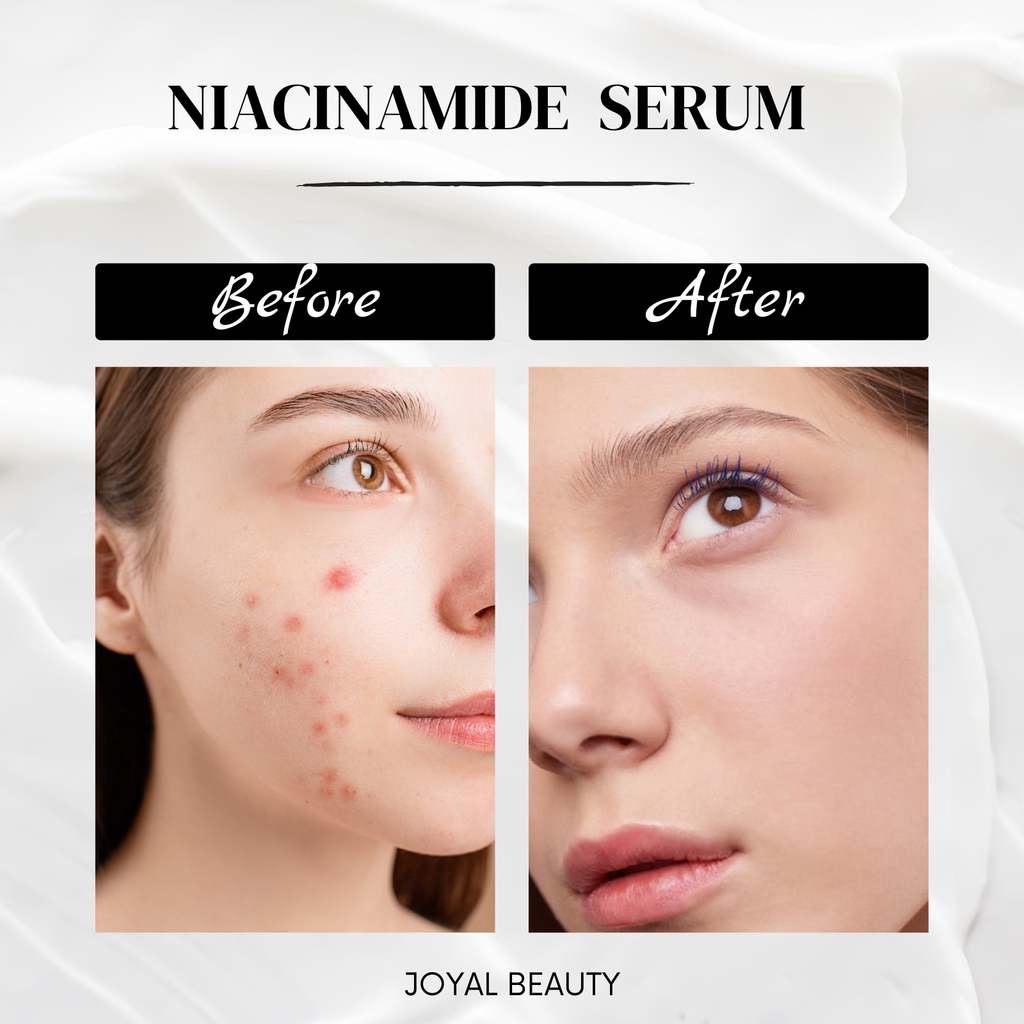
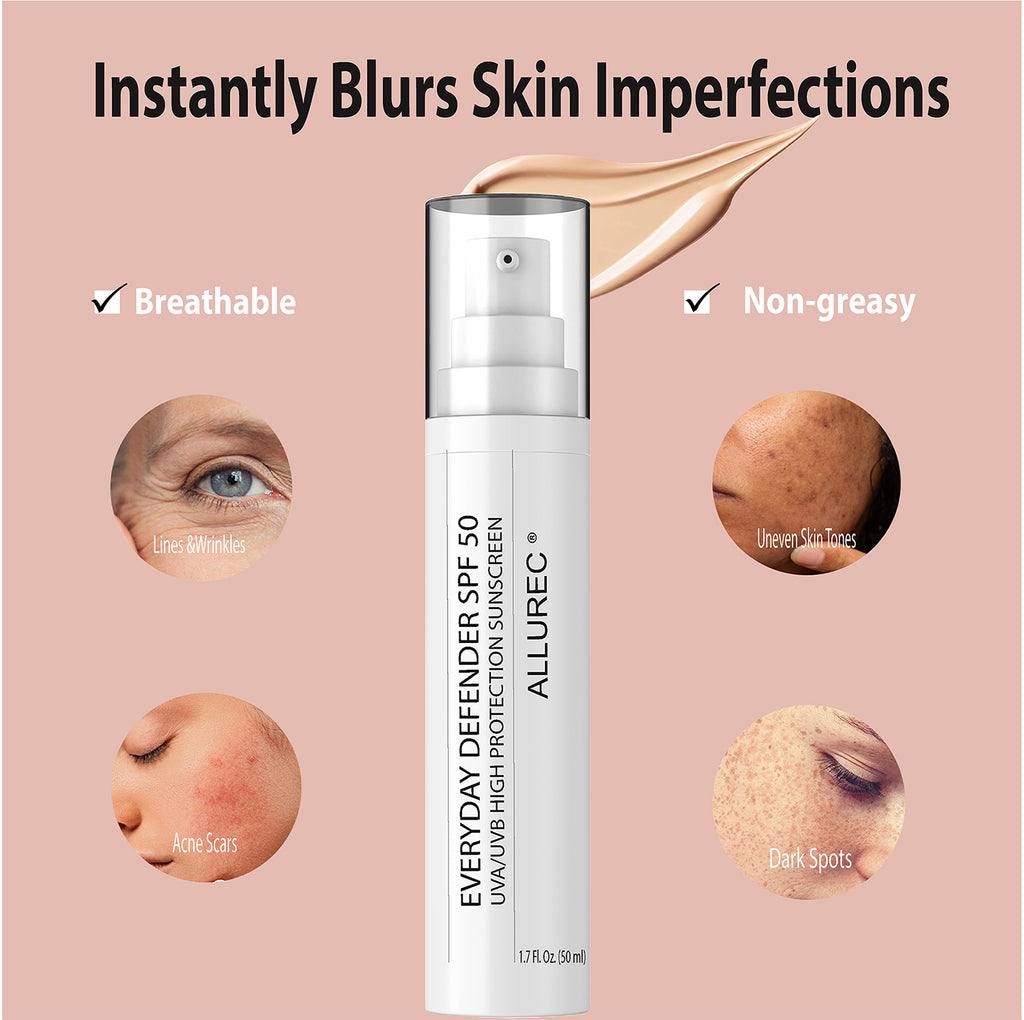
Clogged Pores: Excess oil mixes with dead skin cells, leading to blackheads, whiteheads, and acne breakouts.
-
Enlarged Pores: Overactive oil glands can cause pores to stretch and become more visible over time.
-
Greasy Appearance: Persistent shine, especially in the T-zone (forehead, nose, and chin), can interfere with the longevity of makeup and skincare products.
-
Skin Irritation: Excessive oil can sometimes foster the growth of certain bacteria or fungi, leading to conditions like seborrheic dermatitis.
3. How to Effectively Control Oil
Controlling oil is about regulation, not total elimination.
-
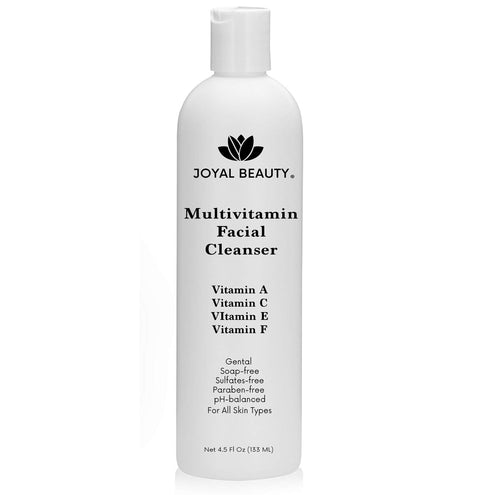
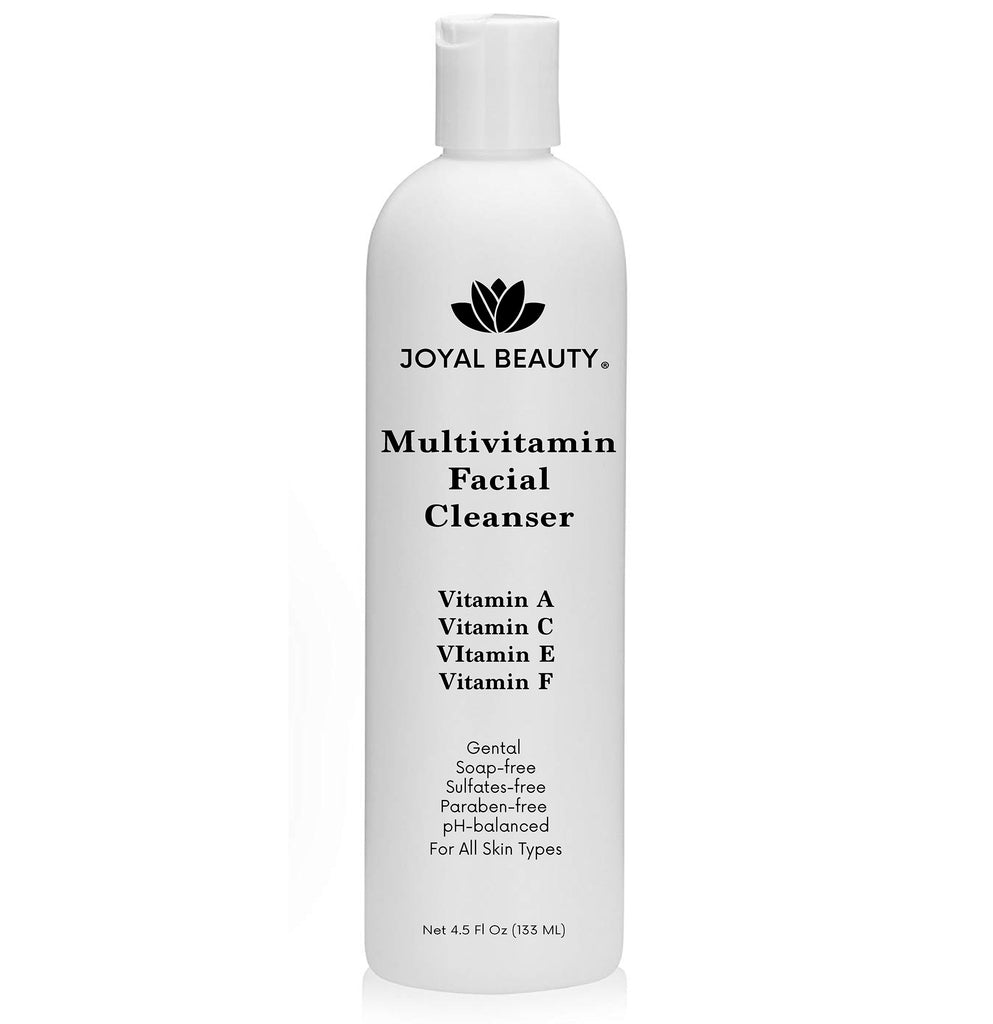
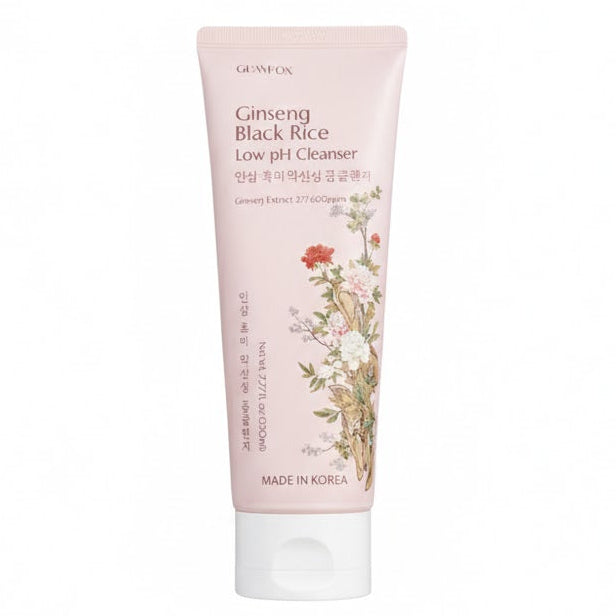
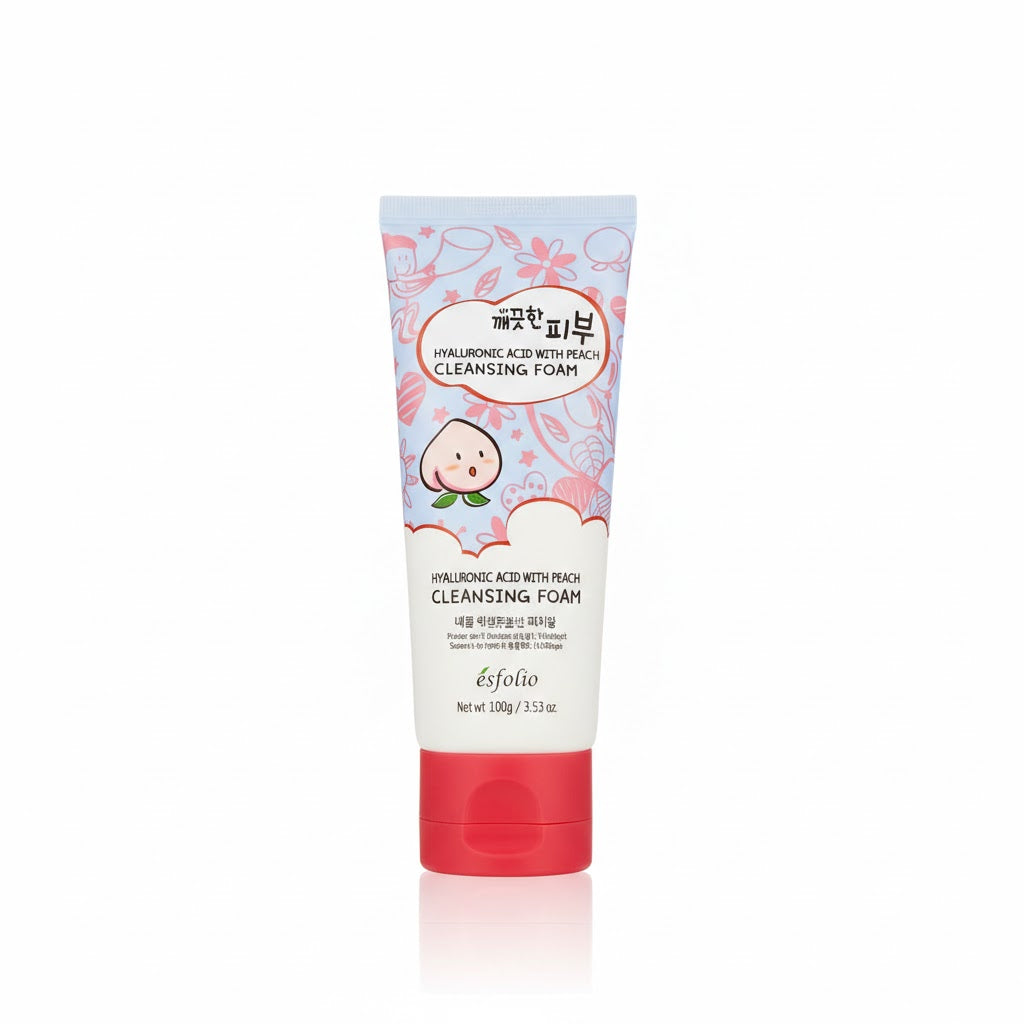
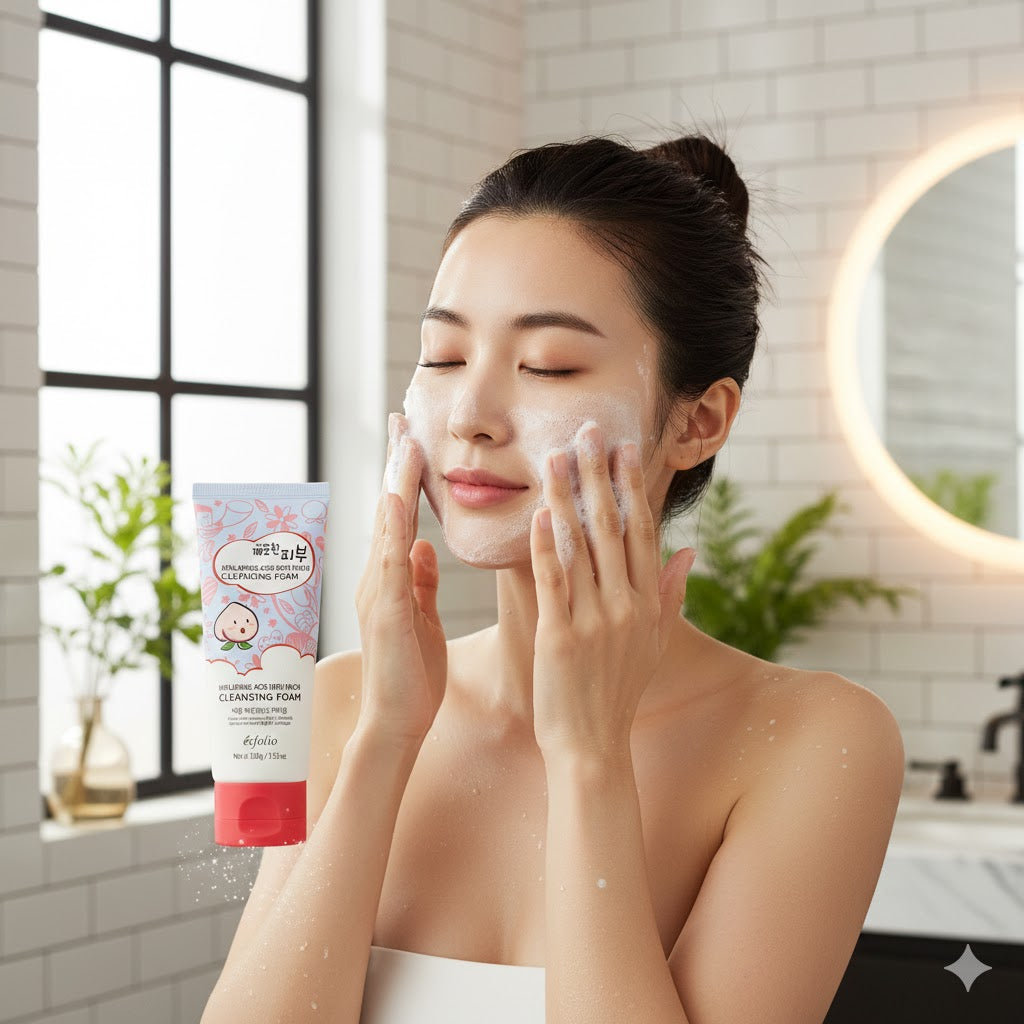
Gentle Cleansing: Use a pH-balanced cleanser twice a day to remove surface oil without damaging the skin barrier.
-
Hydration is Key: Many people with oily skin skip moisturizer, which is a mistake. Dehydrated skin can trigger more oil production. Use oil-free, water-based "humectant" moisturizers.
-
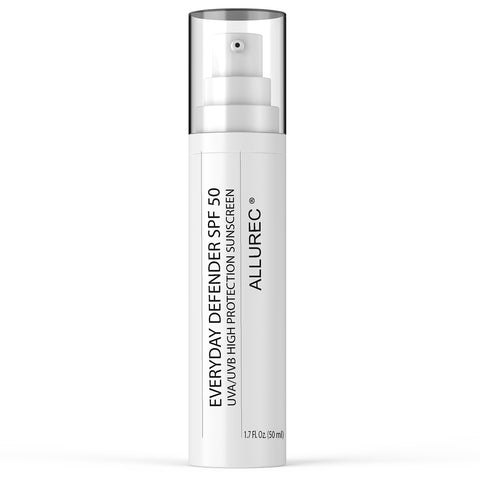
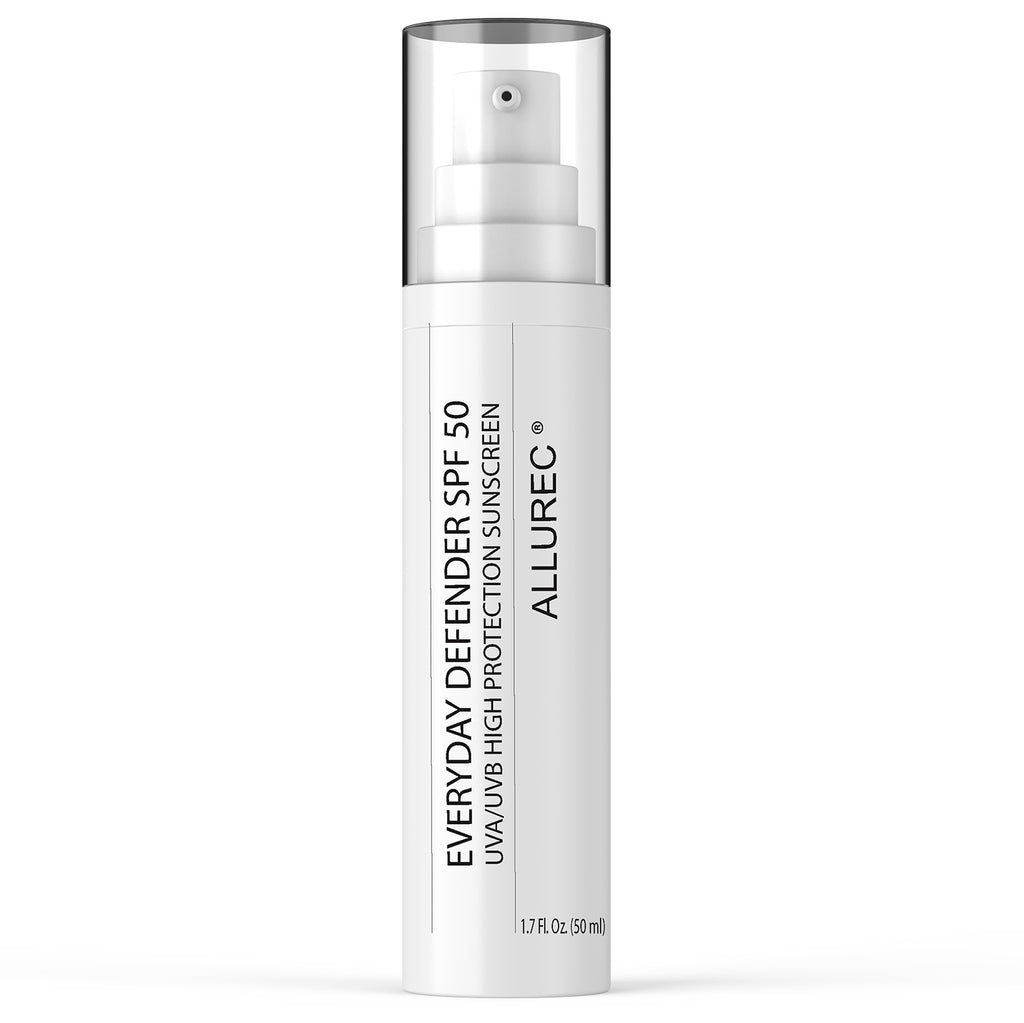
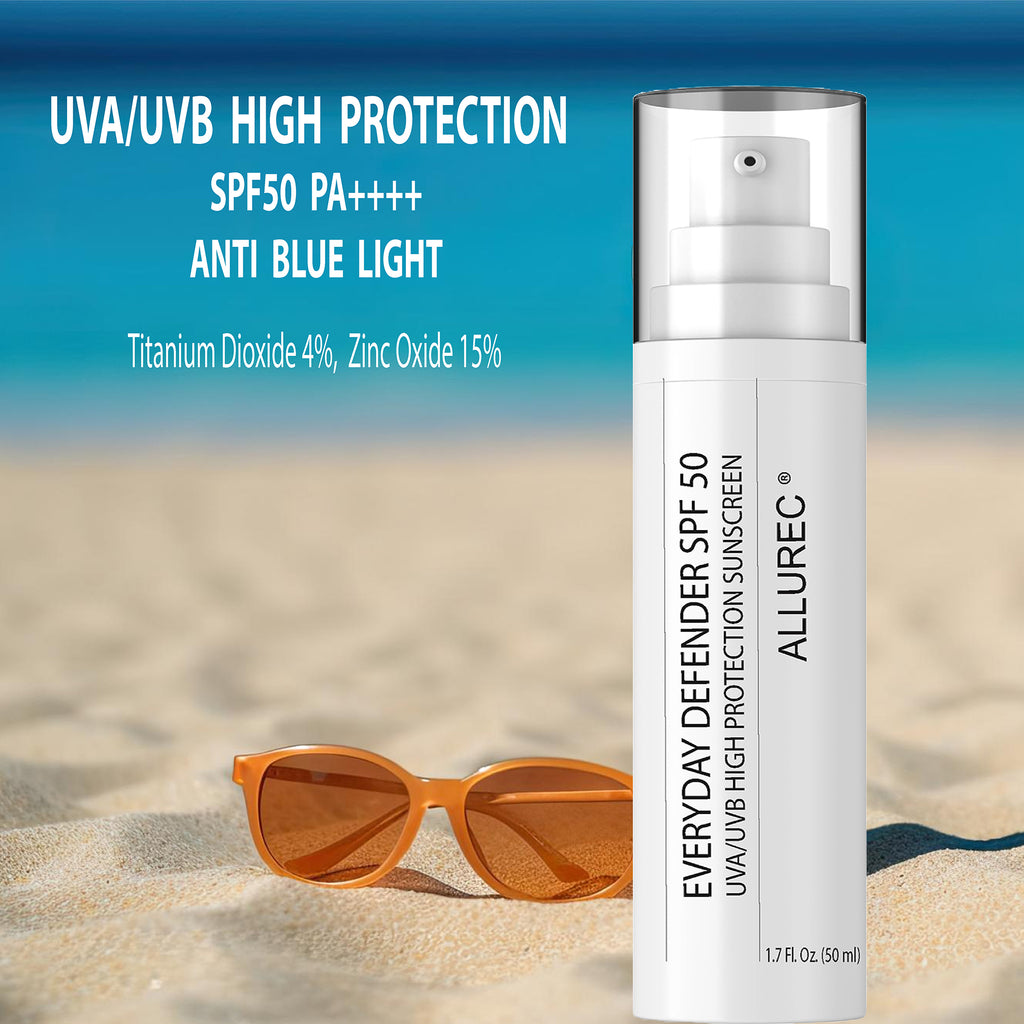
Sun Protection: Choose "non-comedogenic" (won't clog pores) sunscreens with a matte finish.
-
Weekly Treatments: Use clay masks once or twice a week to "vacuum" out deep-seated impurities and excess sebum.

4. Recommended Ingredients for Oil Control
When looking for products, prioritize these scientifically-backed ingredients:
| Ingredient | Primary Function |
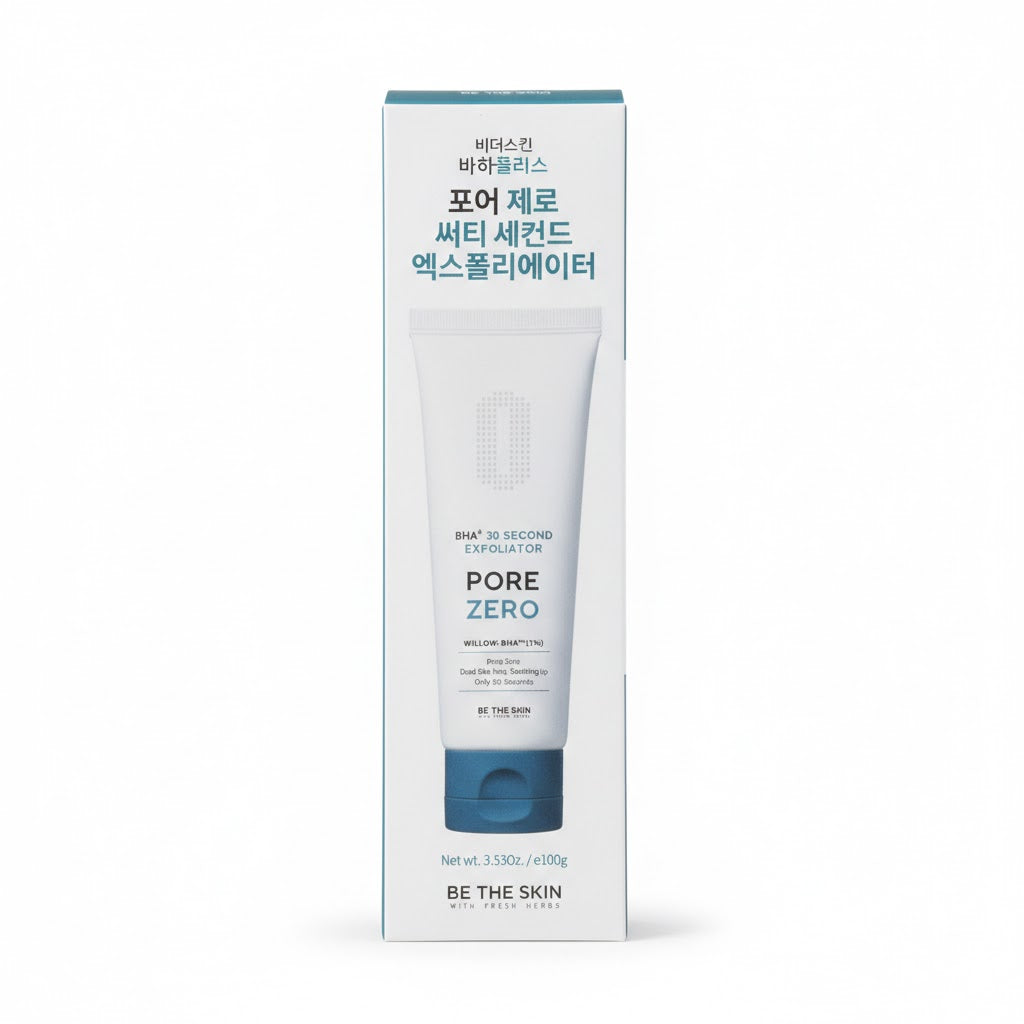
| Salicylic Acid (BHA) | Oil-soluble; it penetrates deep into pores to dissolve sebum and prevent clogs. |
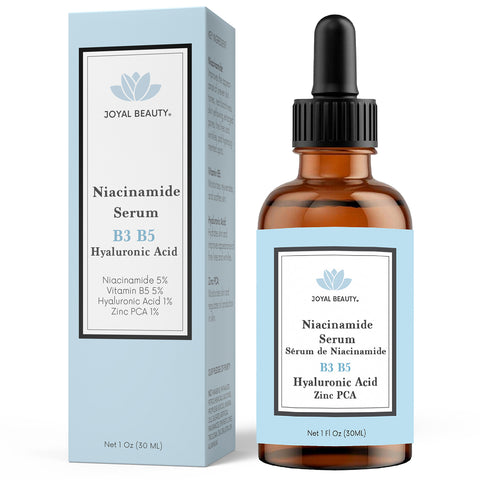
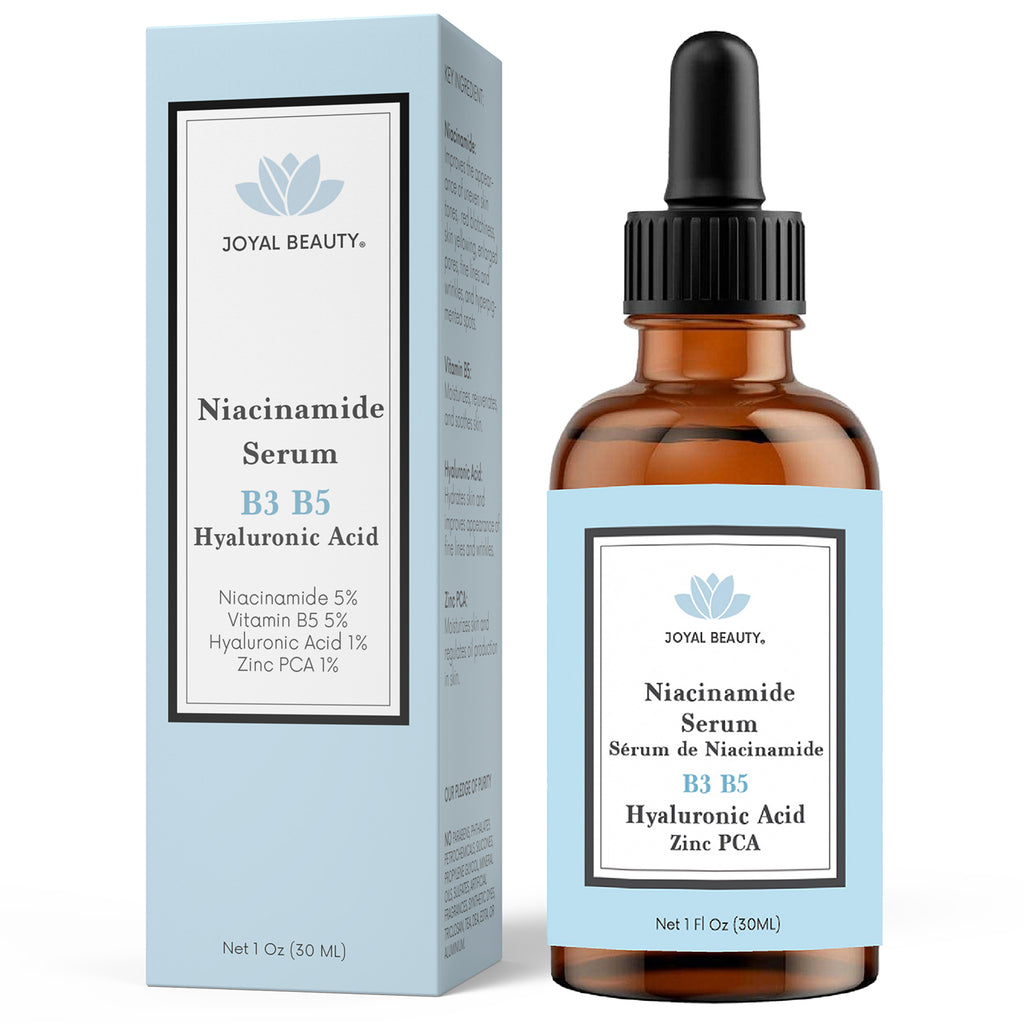
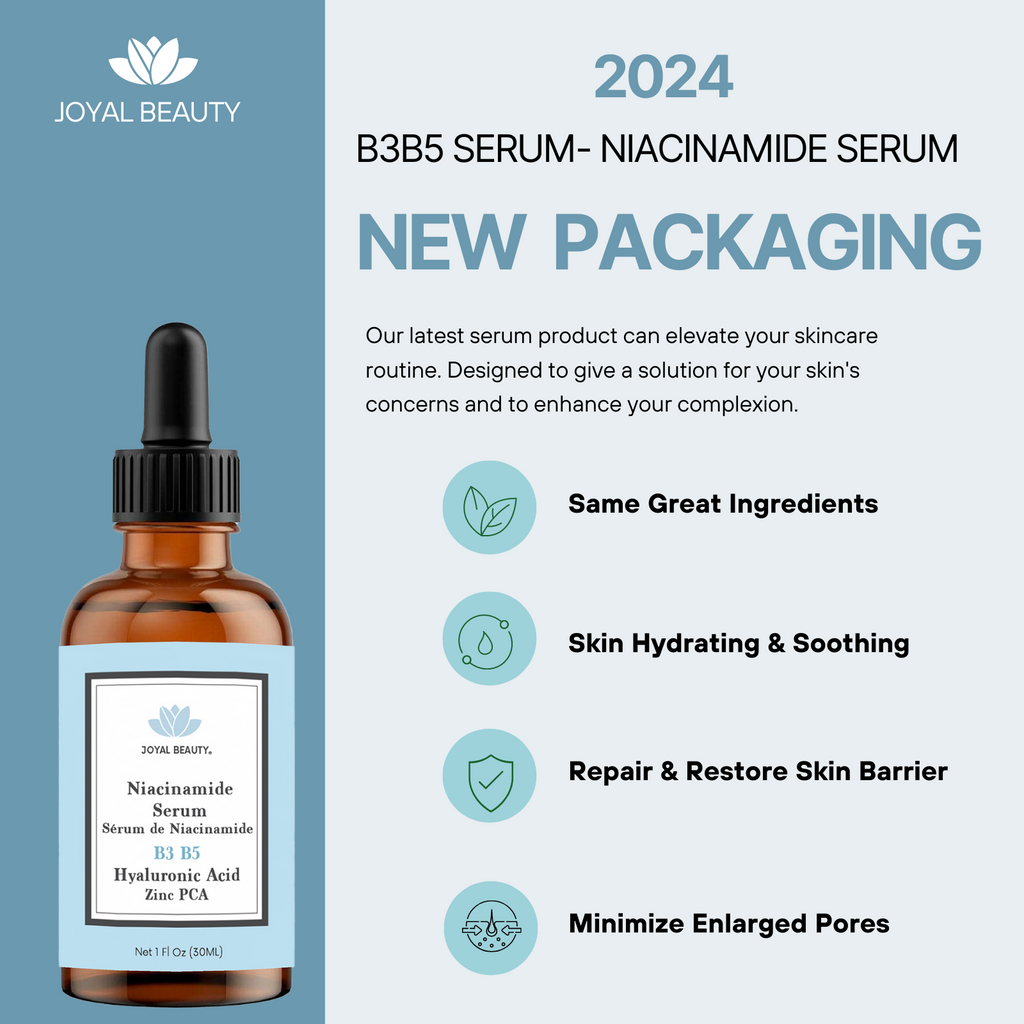
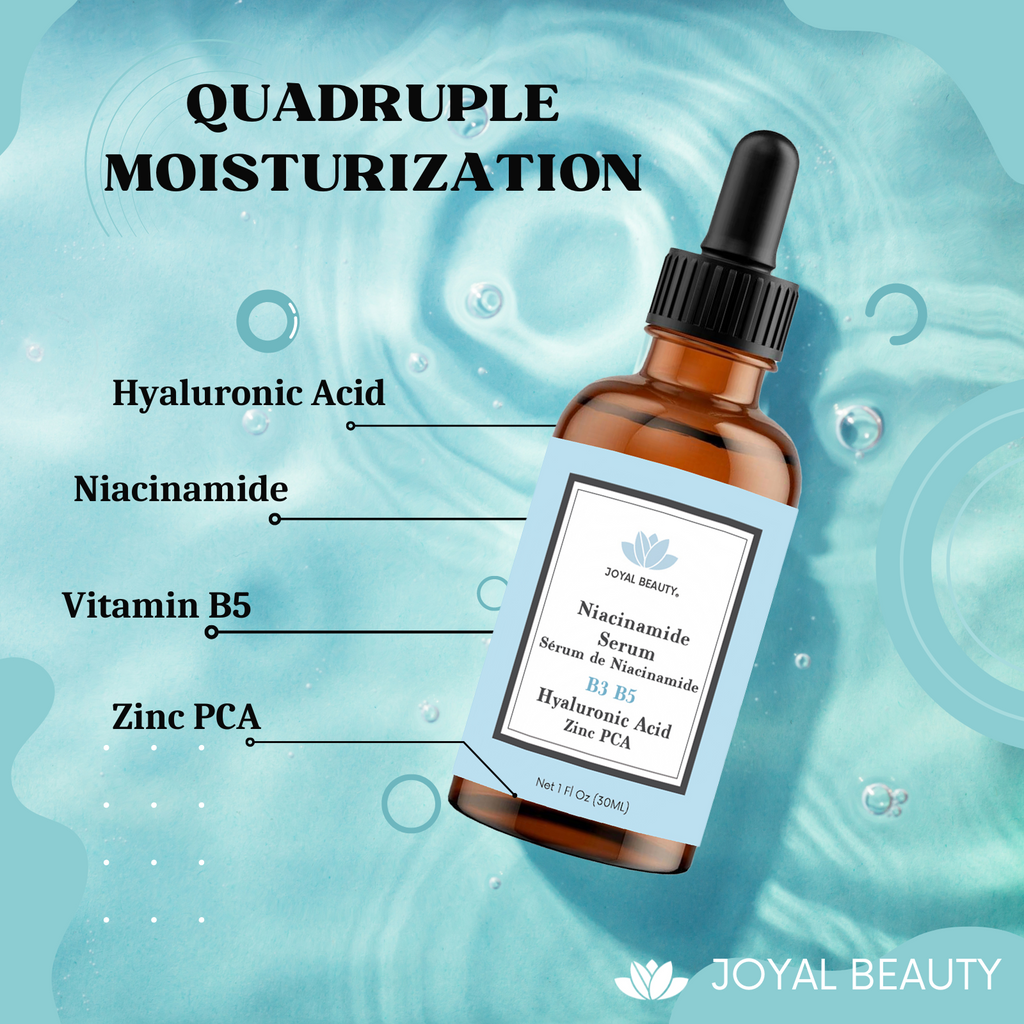
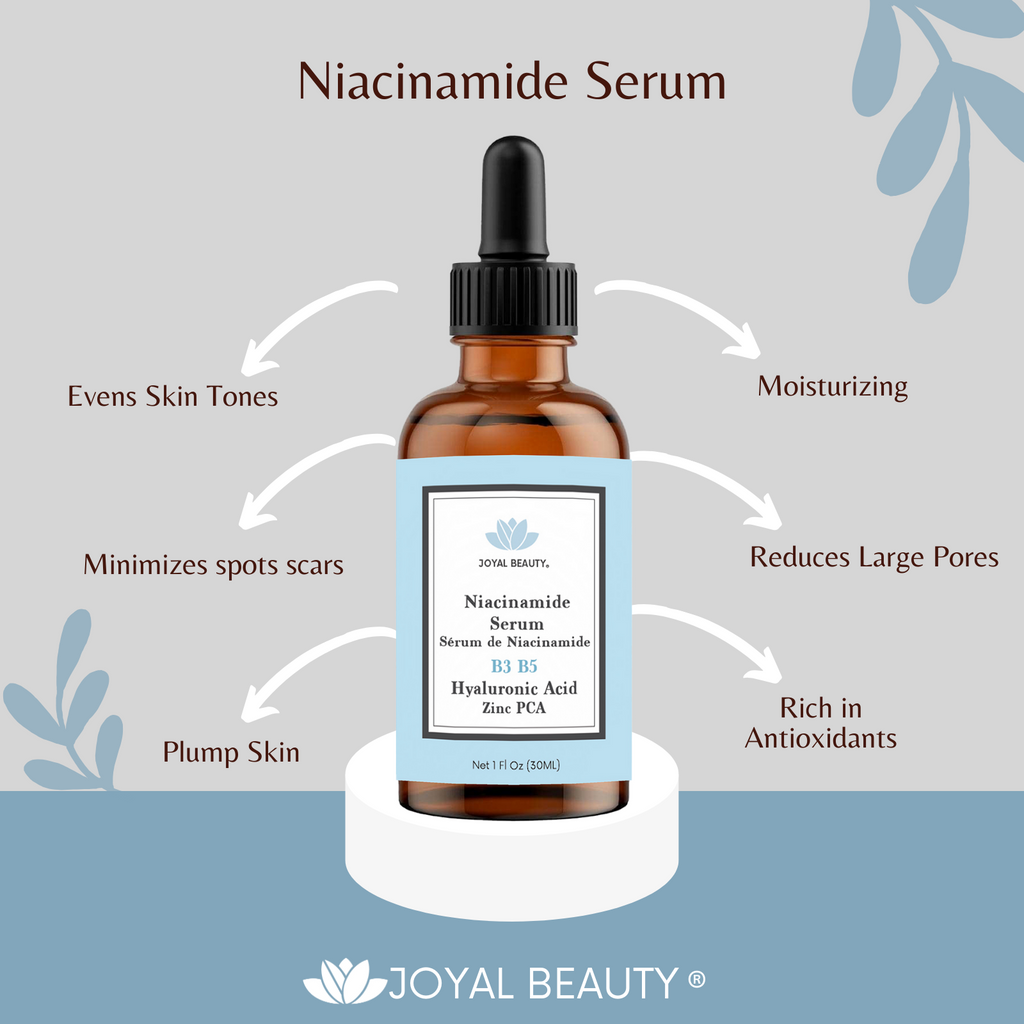
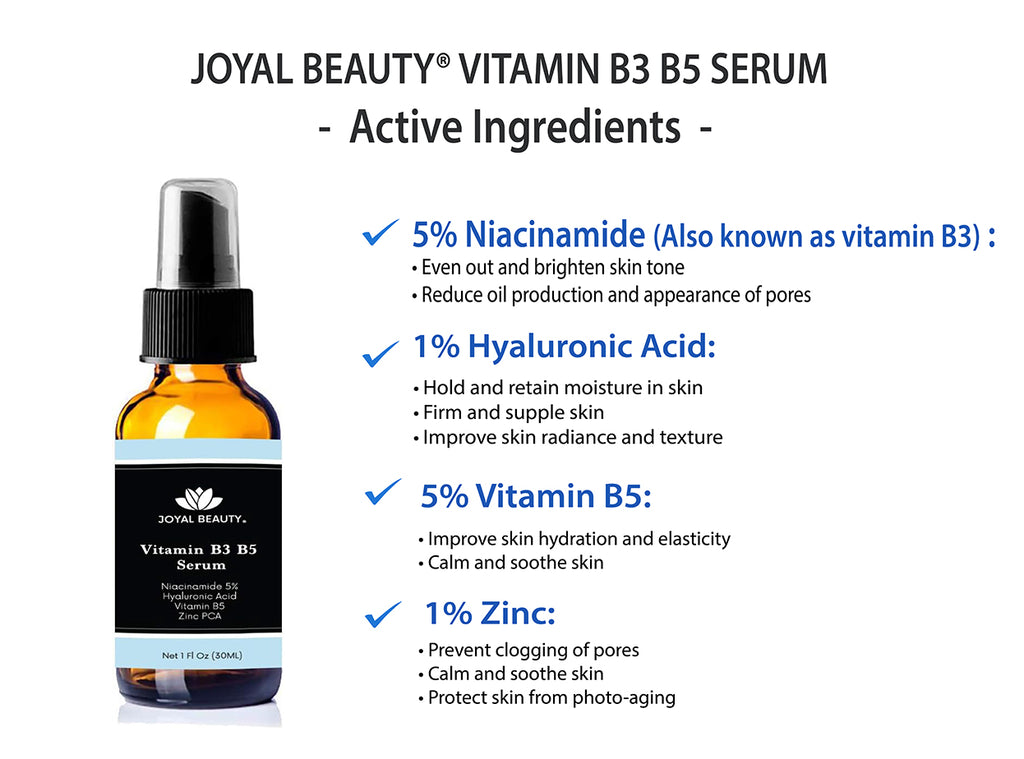
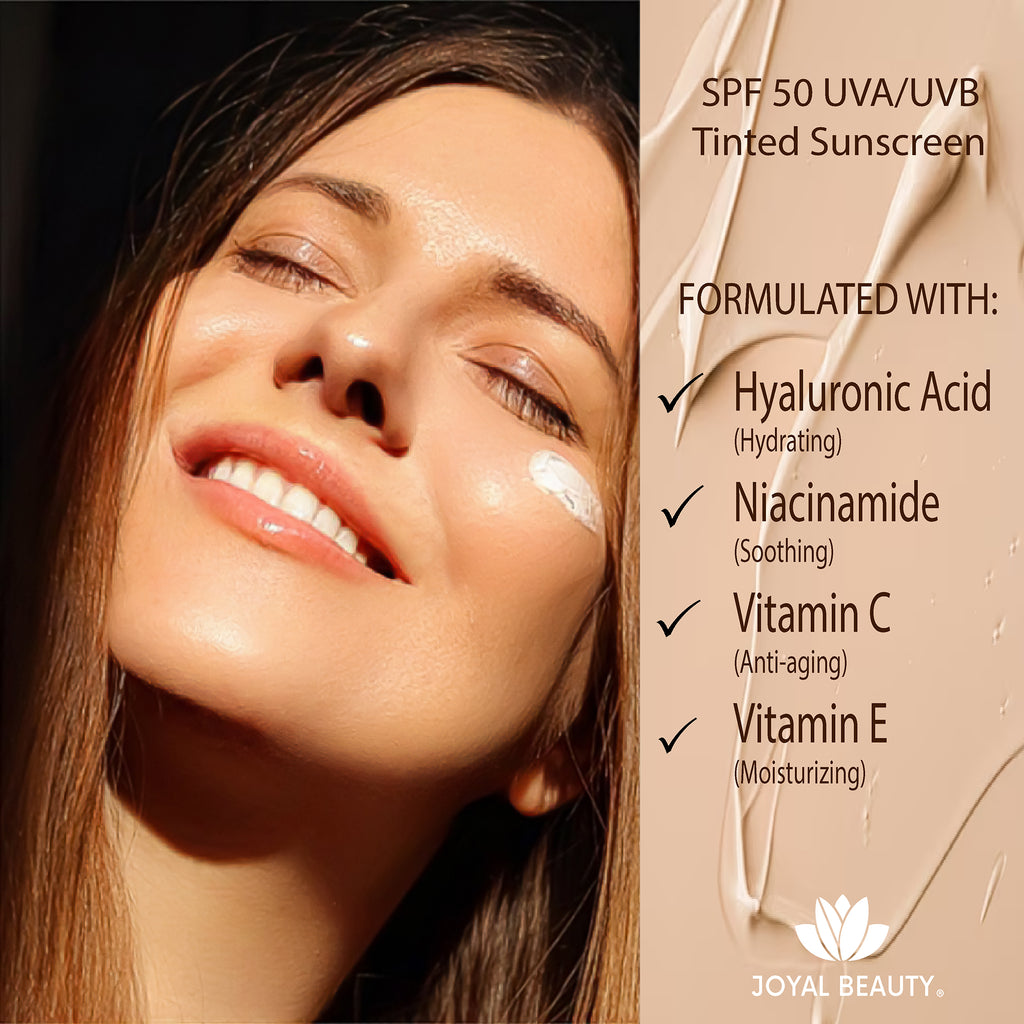
| Niacinamide (Vitamin B3) | Regulates sebum production, improves skin texture, and minimizes pore appearance. |
| Zinc PCA | Helps reduce sebum secretion and possesses anti-inflammatory and antibacterial properties. |
| Clay (Kaolin/Bentonite) | Physically absorbs excess oil from the skin's surface and draws out impurities. |
| Green Tea Extract | Contains polyphenols that help lower lipid levels and reduce sebum production. |
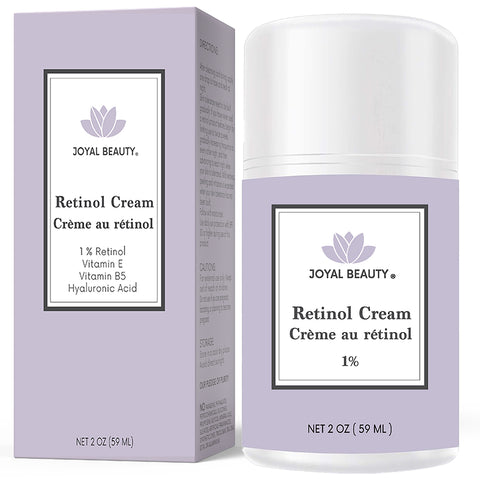
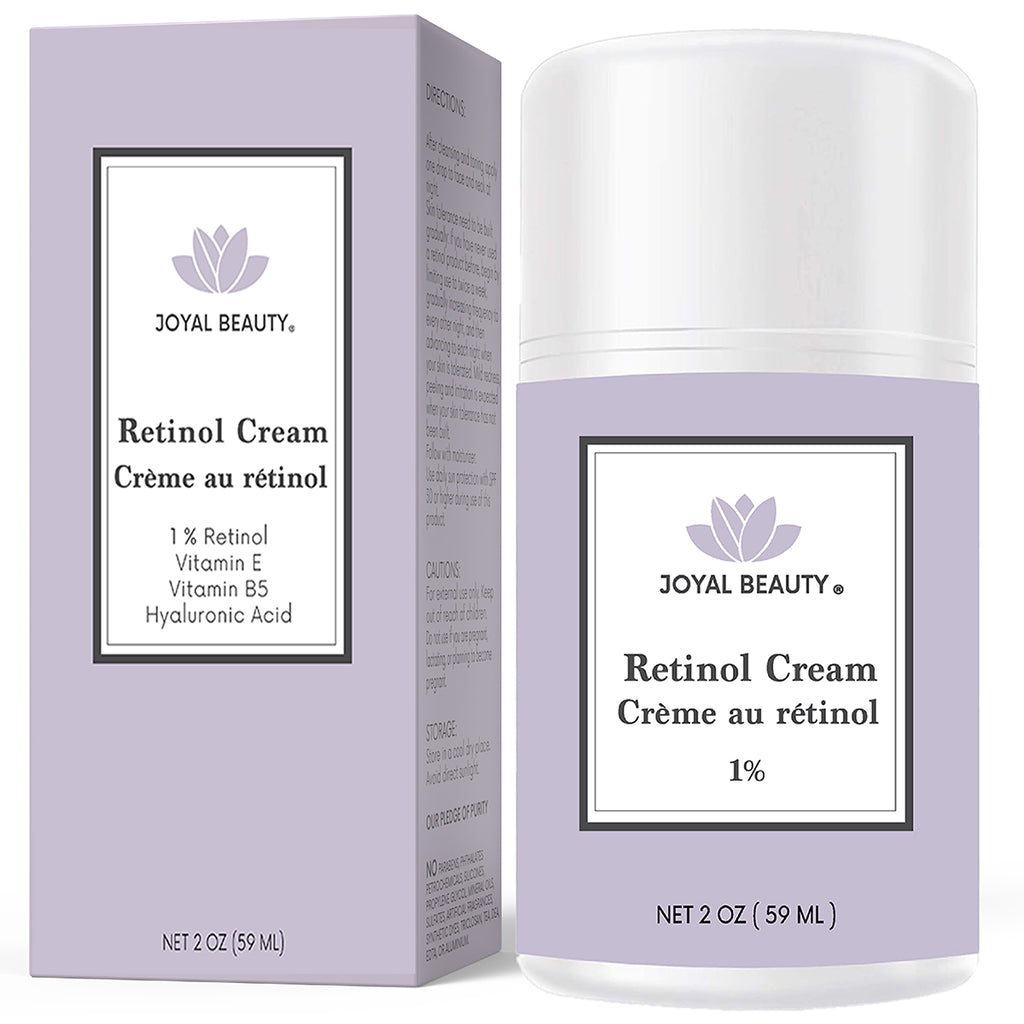
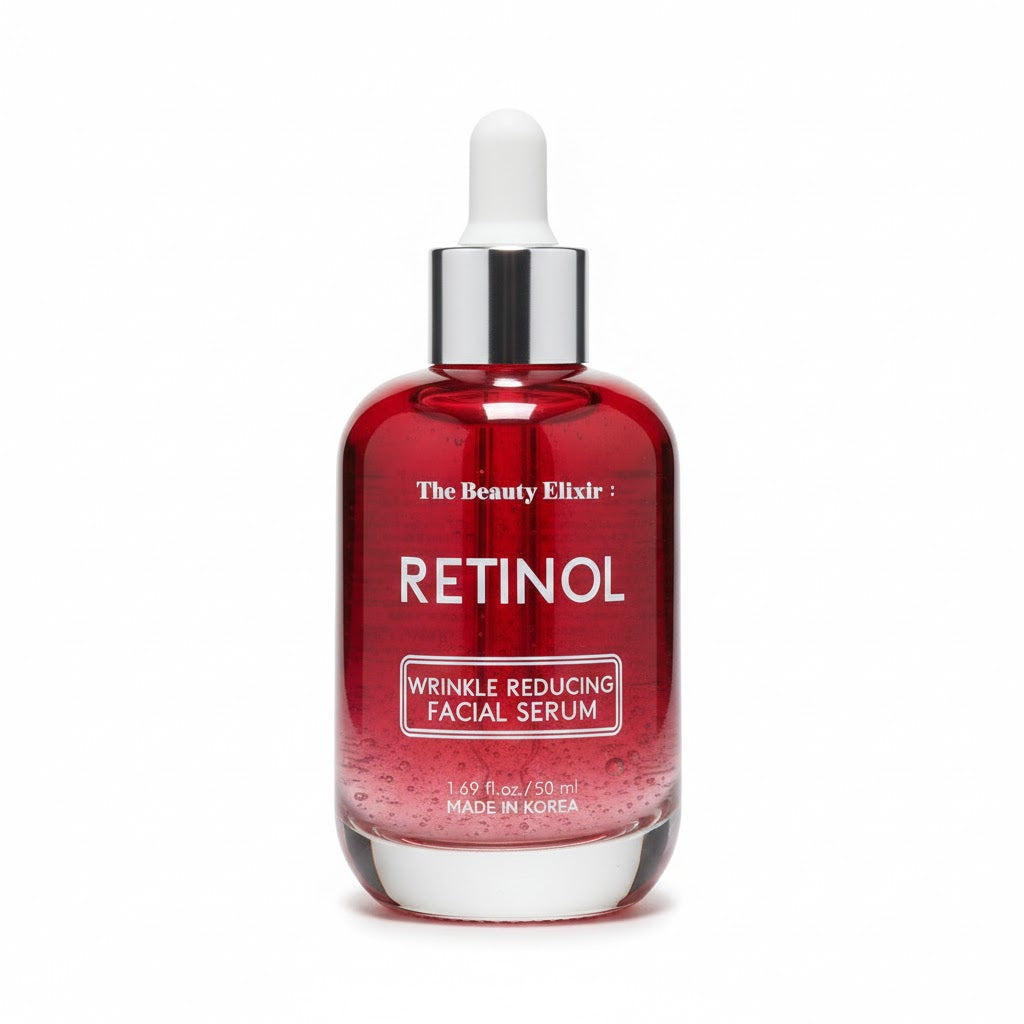
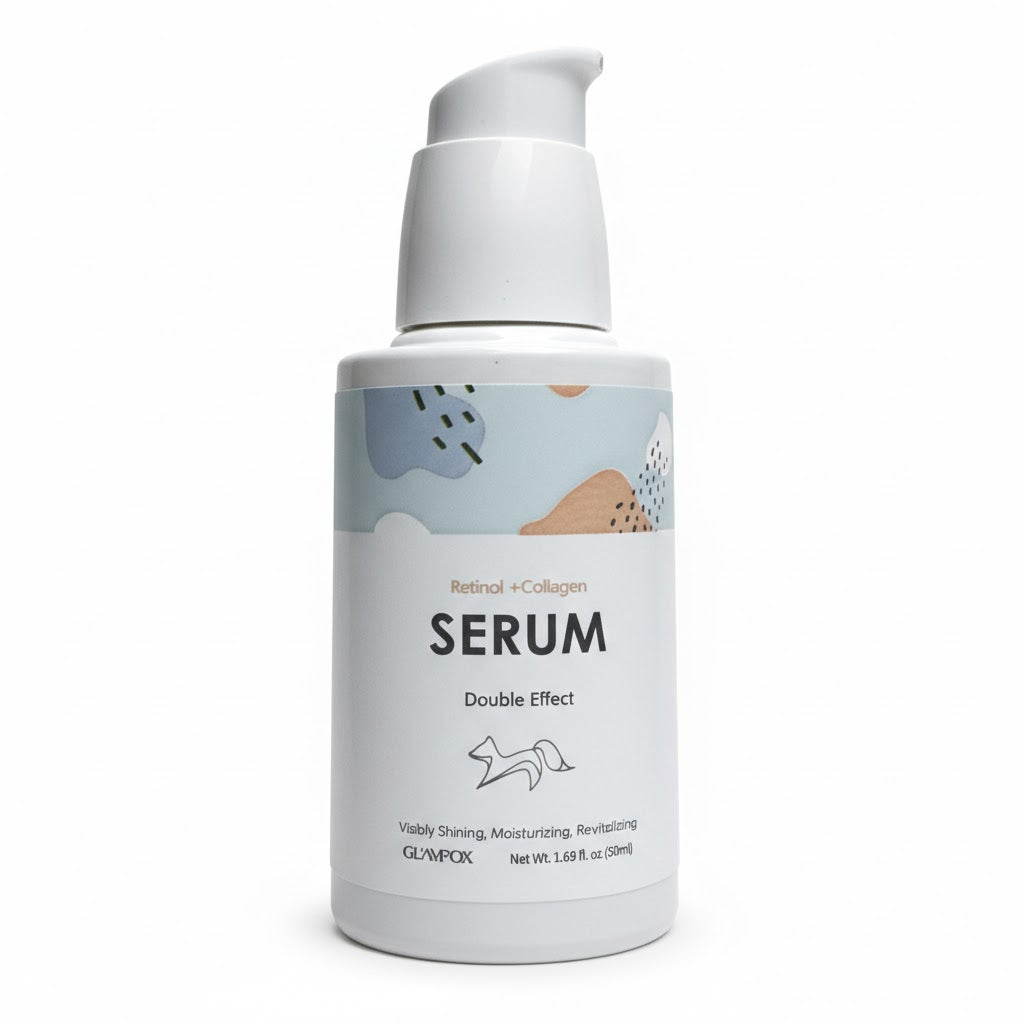
| Retinoids | While primarily for anti-aging, they help normalize oil gland function and keep pores clear. |
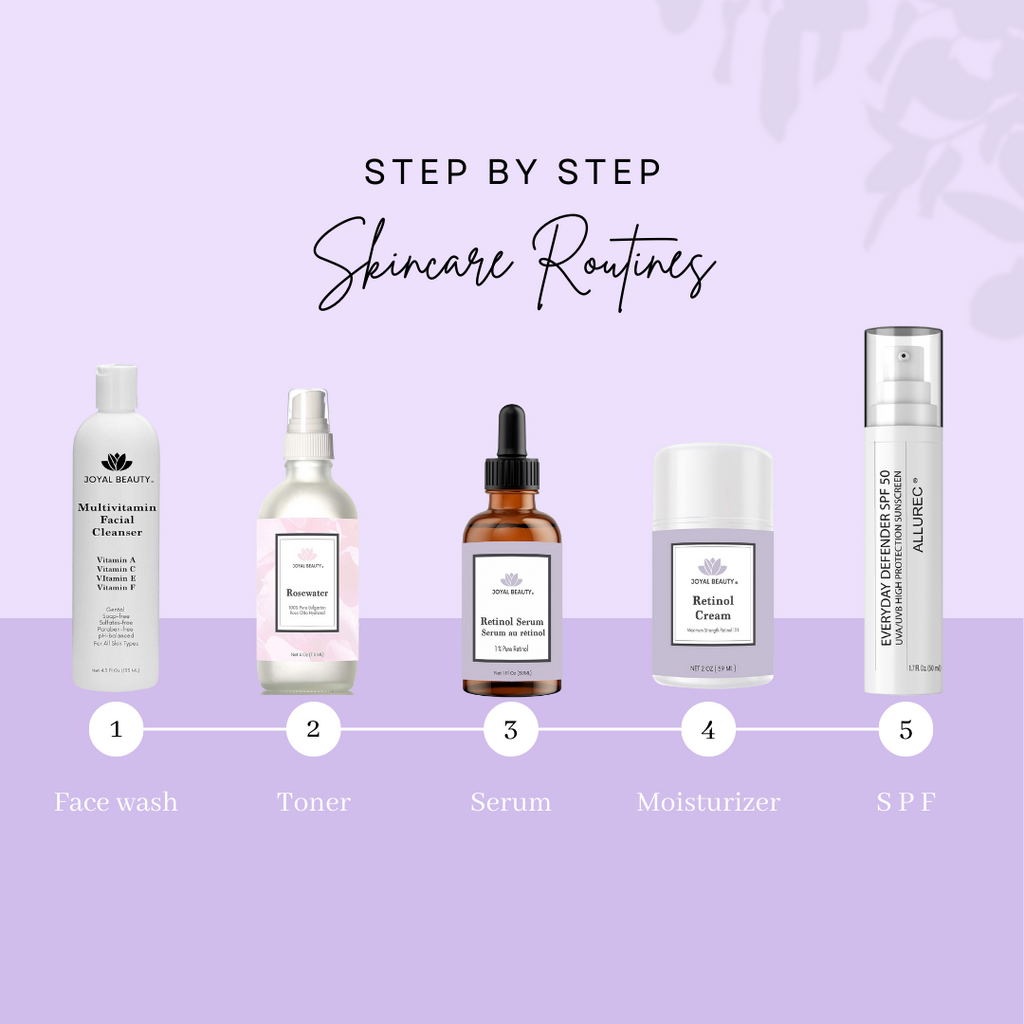
Proposed Daily Skincare Routine for Oily Skin
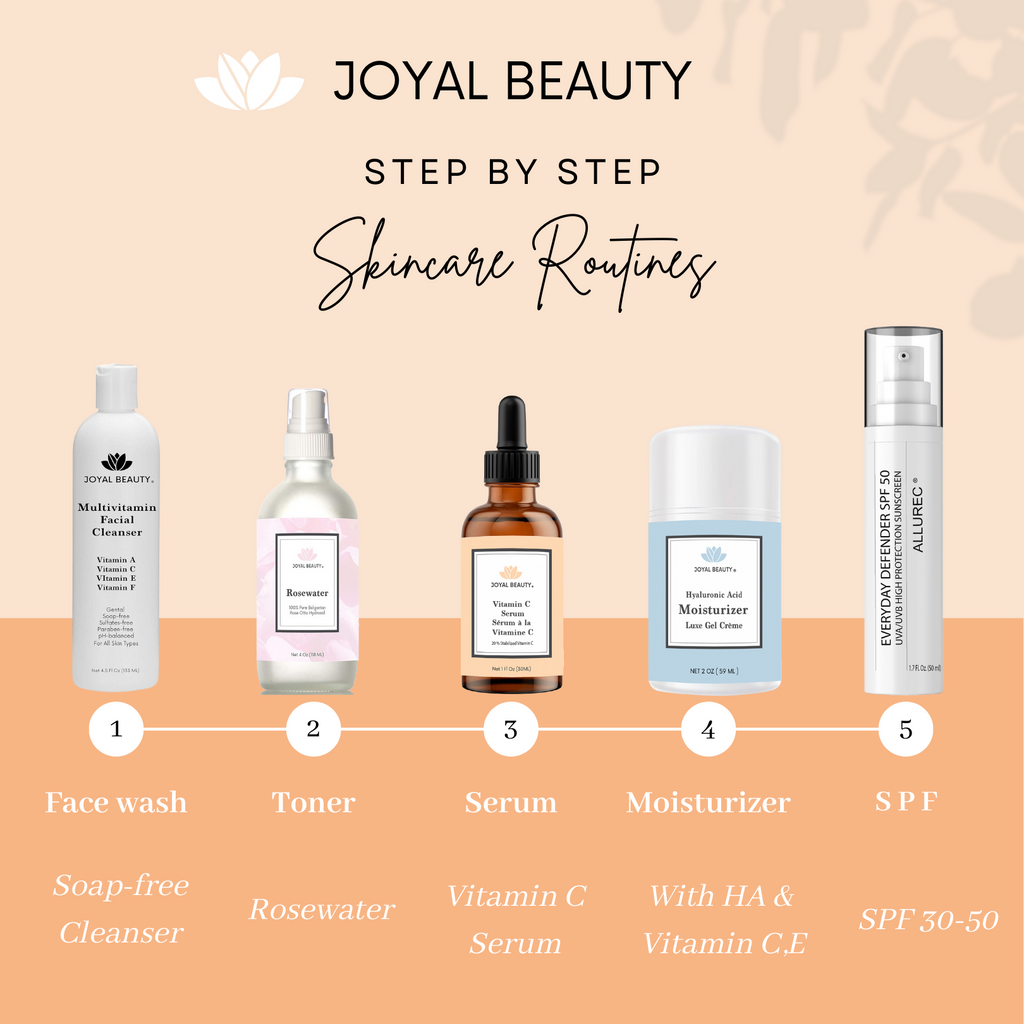
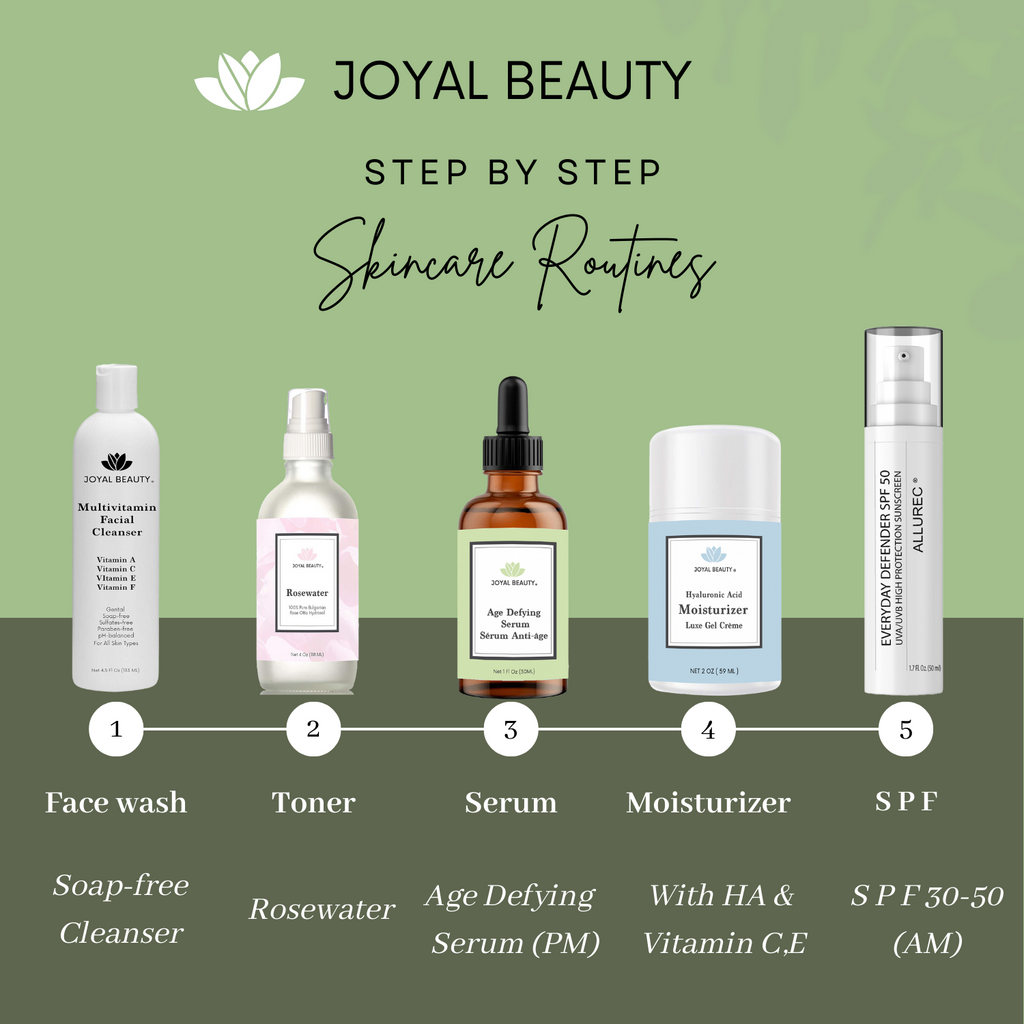
To manage oil effectively without compromising your skin's health, follow this balanced routine:
Morning: Protection & Control
-
Step 1: Gentle Cleanser – Use a foaming or gel-based cleanser containing Salicylic Acid to clear surface oil and prep the skin.
-
Step 2: Balancing Toner – Apply a toner with Niacinamide or Zinc PCA to help regulate sebum production throughout the day.
-
Step 3: Oil-Free Moisturizer – Use a lightweight, water-based humectant to keep the skin hydrated without adding grease.
-
Step 4: Matte Sunscreen – Protect your skin with a non-comedogenic SPF that offers a matte finish to prevent midday shine.
Evening: Deep Cleansing & Repair
-
Step 1: Double Cleanse – Use a light cleansing oil (to dissolve sebum) followed by your regular cleanser to ensure pores are completely clear.
-
Step 2: Targeted Treatment – Apply a Retinoid or a higher concentration of BHA to normalize oil gland function while you sleep.
-
Step 3: Recovery Moisturizer – Use a slightly more nourishing (but still oil-free) moisturizer to support the skin barrier during its nightly repair phase.
Weekly Maintenance
-
Clay Mask (1-2x per week): Apply a Kaolin or Bentonite clay mask to deep-clean pores and "vacuum" out stubborn impurities.