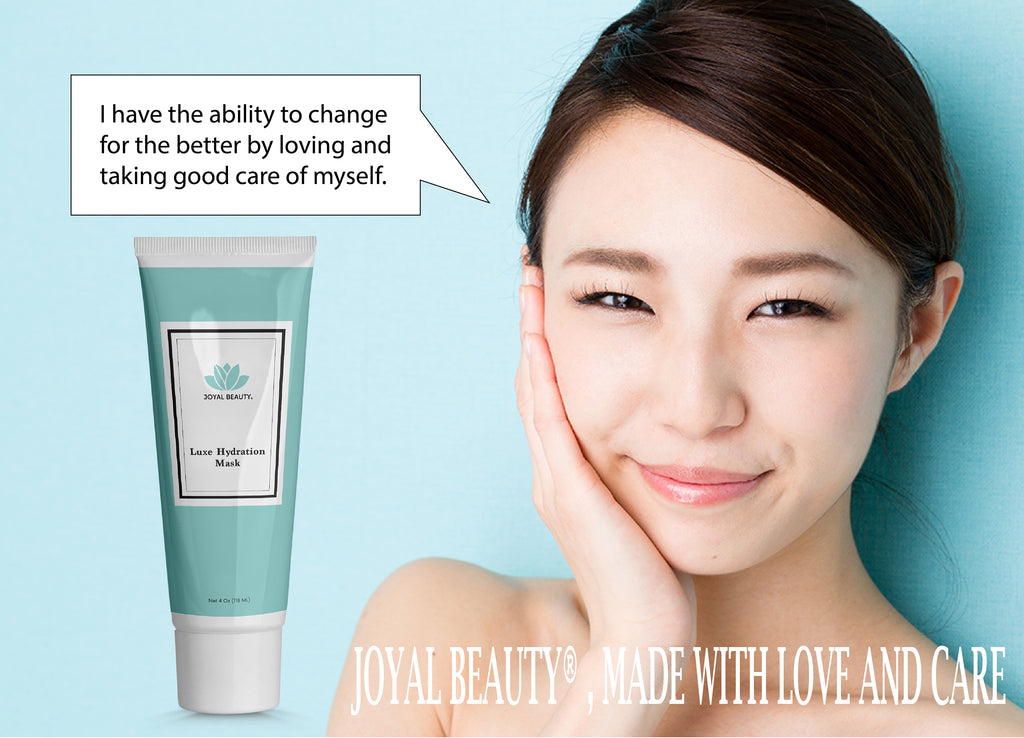
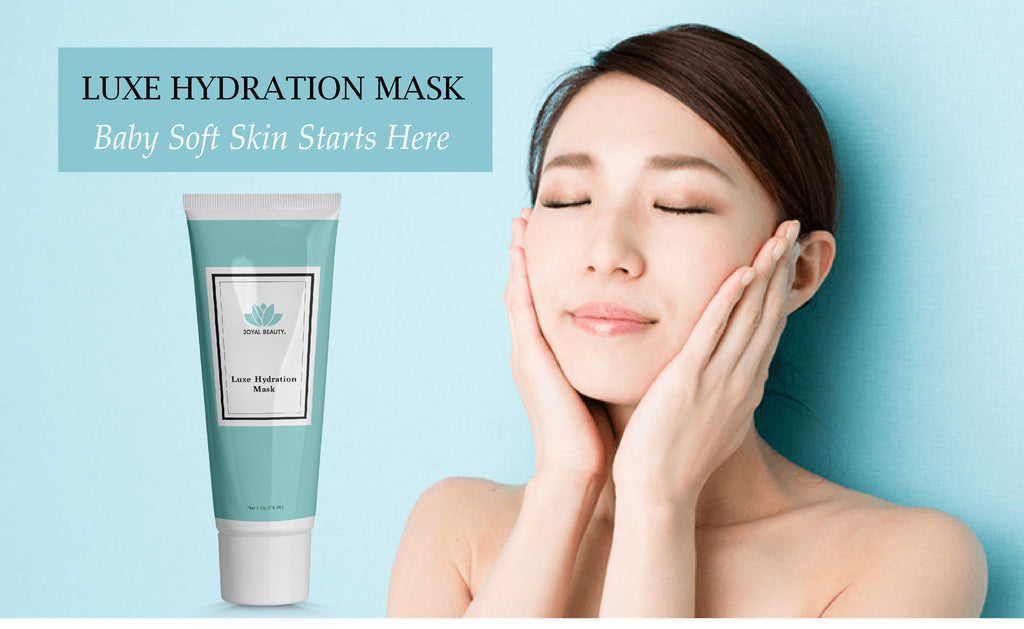
Mask
The Science of Face Masks: Why They Are Your Skincare's Secret Weapon
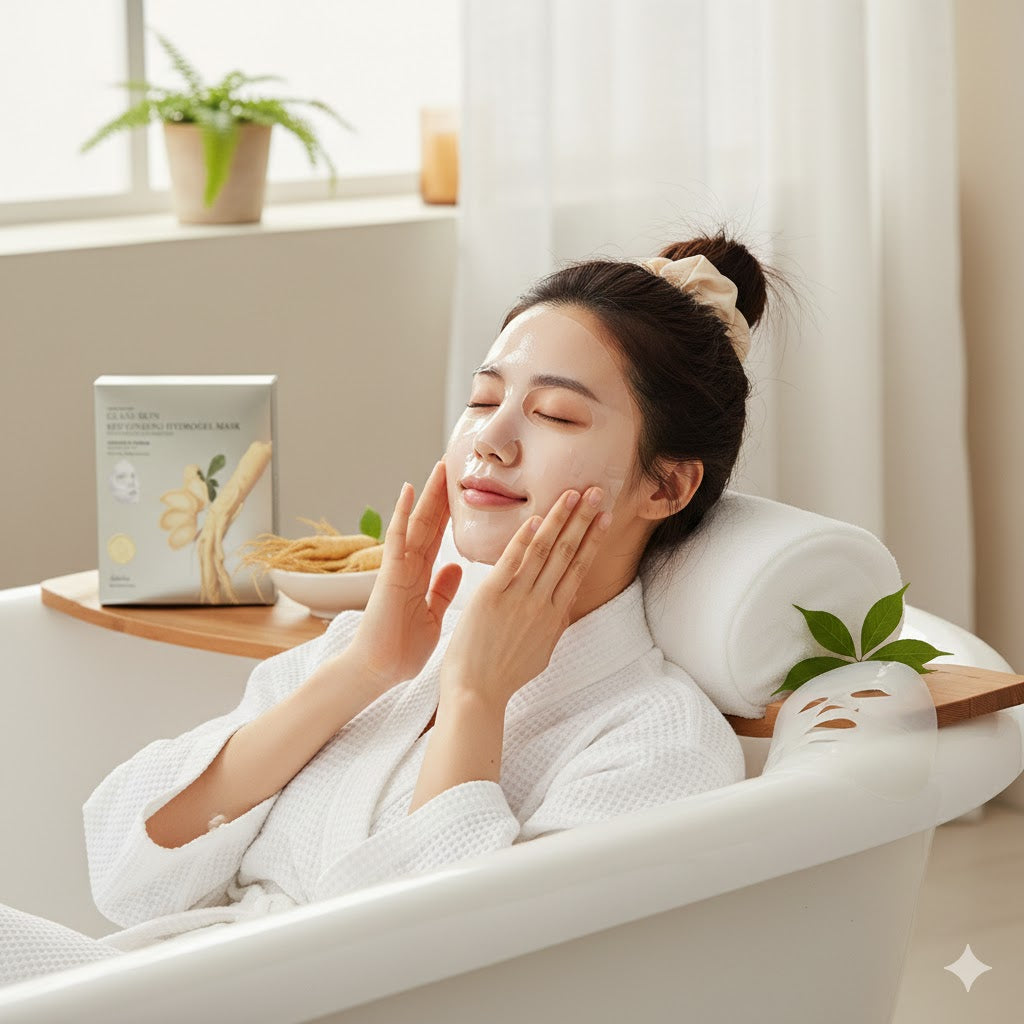
A face mask is not just a luxury; it is a concentrated treatment designed to deliver active ingredients more intensely than your daily moisturizer. By creating a temporary barrier on the skin, masks force nutrients into the pores, providing immediate and visible results.

1. Why You Need Face Masks
-
Targeted Treatment: While serums provide daily maintenance, masks offer a "boost" to address specific concerns like extreme dehydration, acne breakouts, or dullness.
-
Deep Cleansing: Certain masks (like clay or charcoal) draw out impurities and toxins from deep within the pores that regular cleansers cannot reach.
-
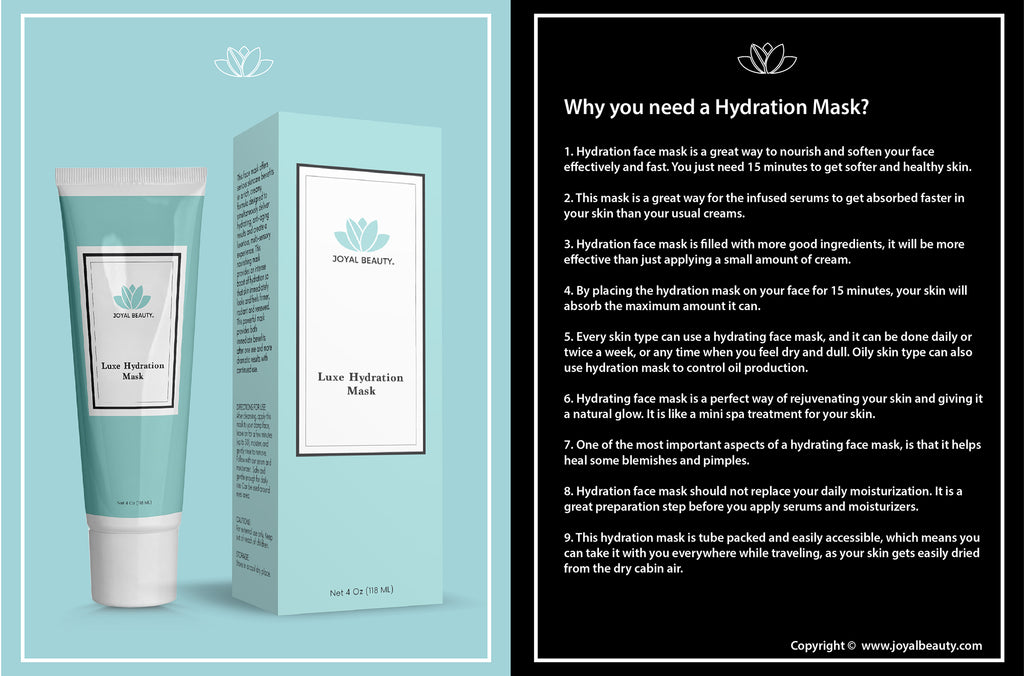
Intensive Hydration: Masks provide a prolonged "soak" for the skin, repairing the moisture barrier and plumping the skin cells.
-
Stress Relief: The ritual of masking lowers cortisol levels, which in turn reduces skin inflammation and promotes a healthy glow.
2. Types of Masks & Their Benefits
| Mask Type | Best For... | Key Ingredients |
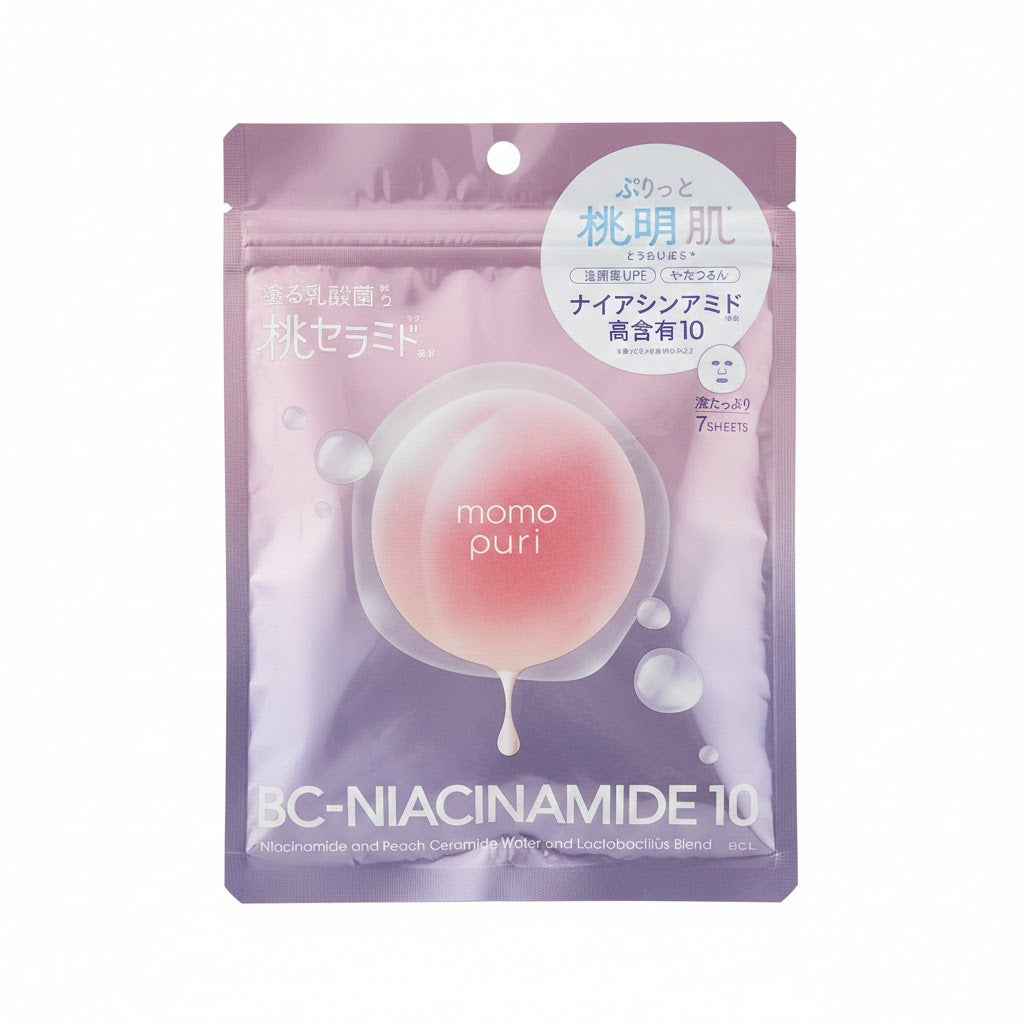
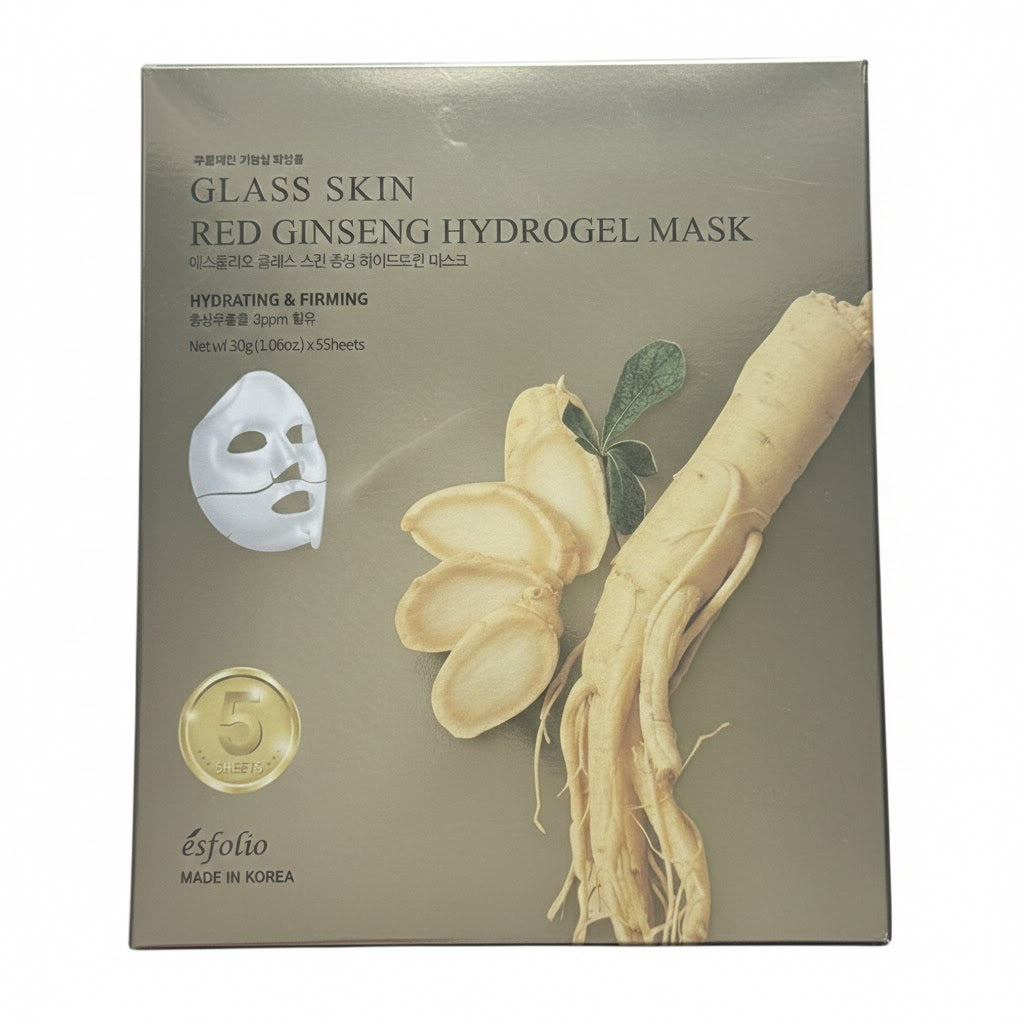
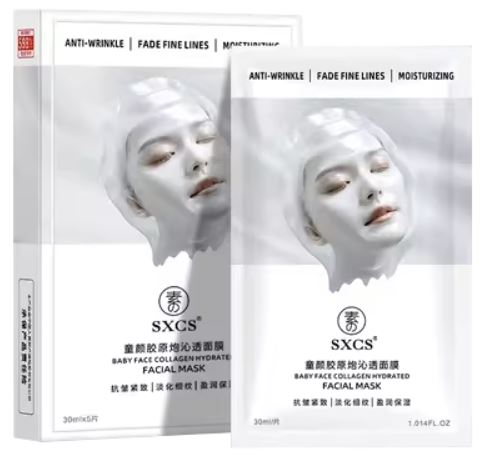
| Sheet Masks | Dehydration & Instant Glow | Hyaluronic Acid, Vitamin C |
| Clay/Mud Masks | Oily Skin & Large Pores | Kaolin, Bentonite, Charcoal |
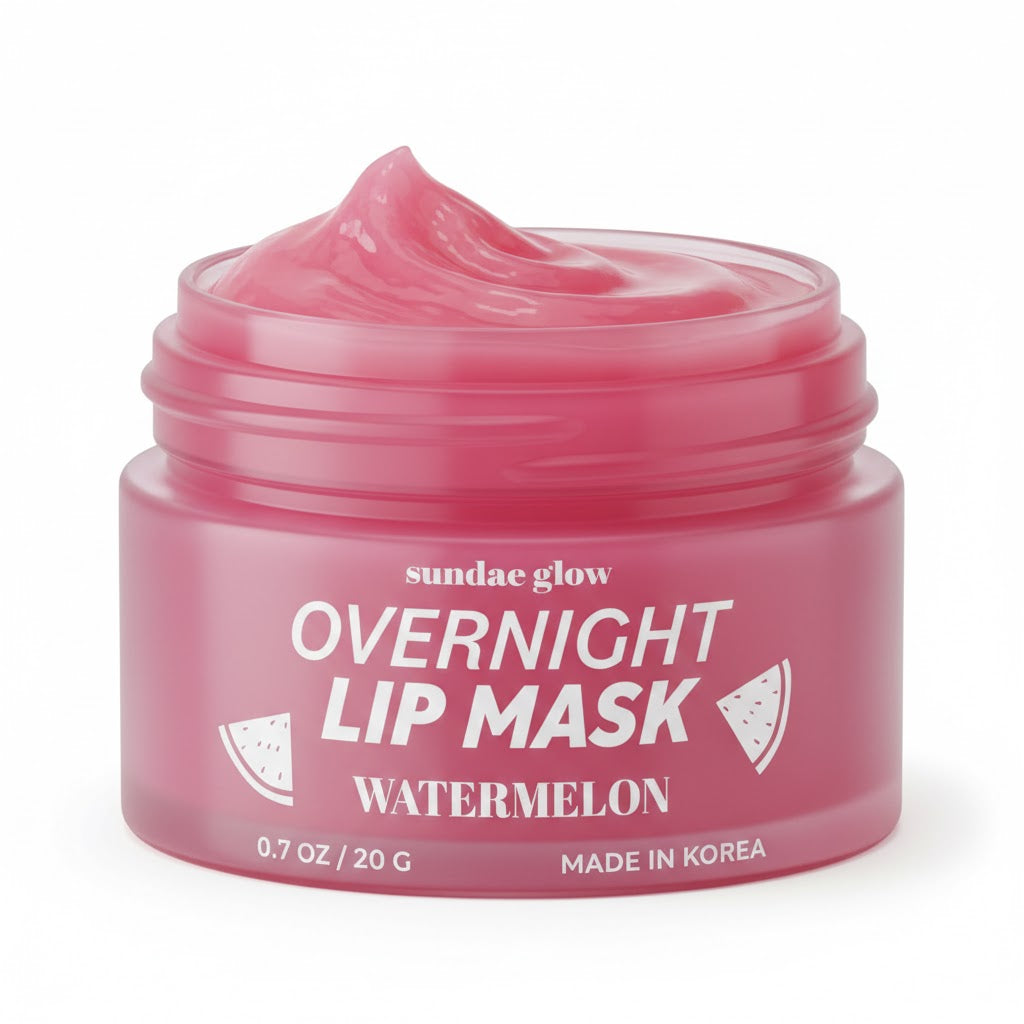
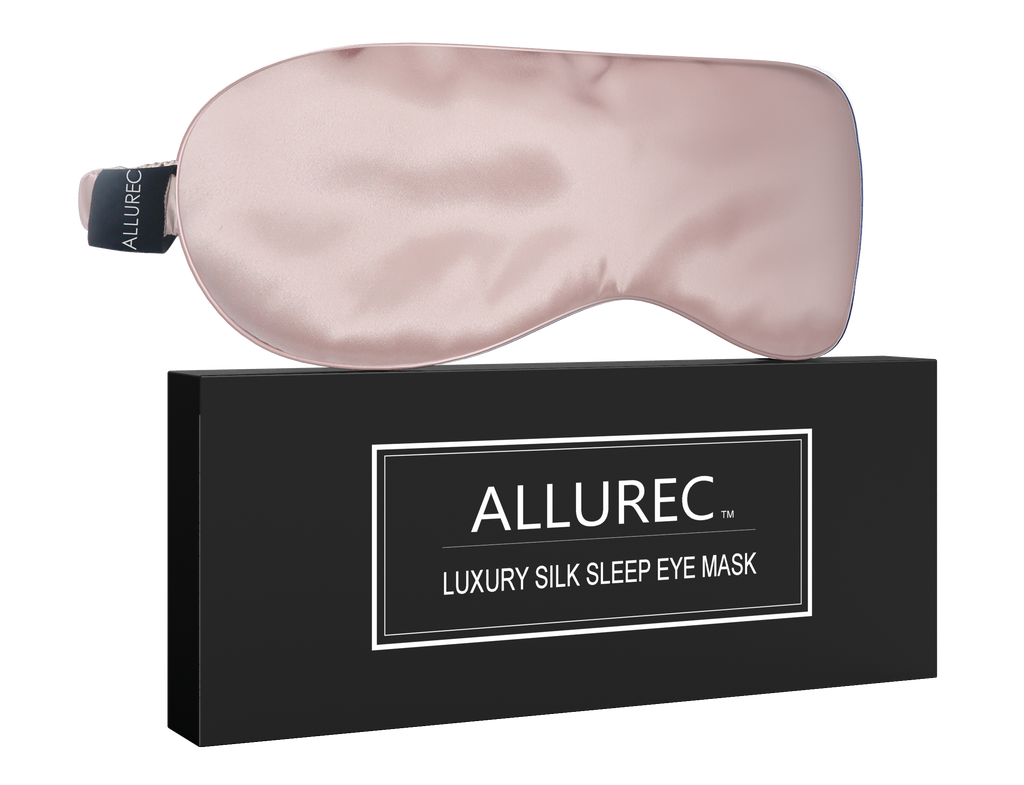
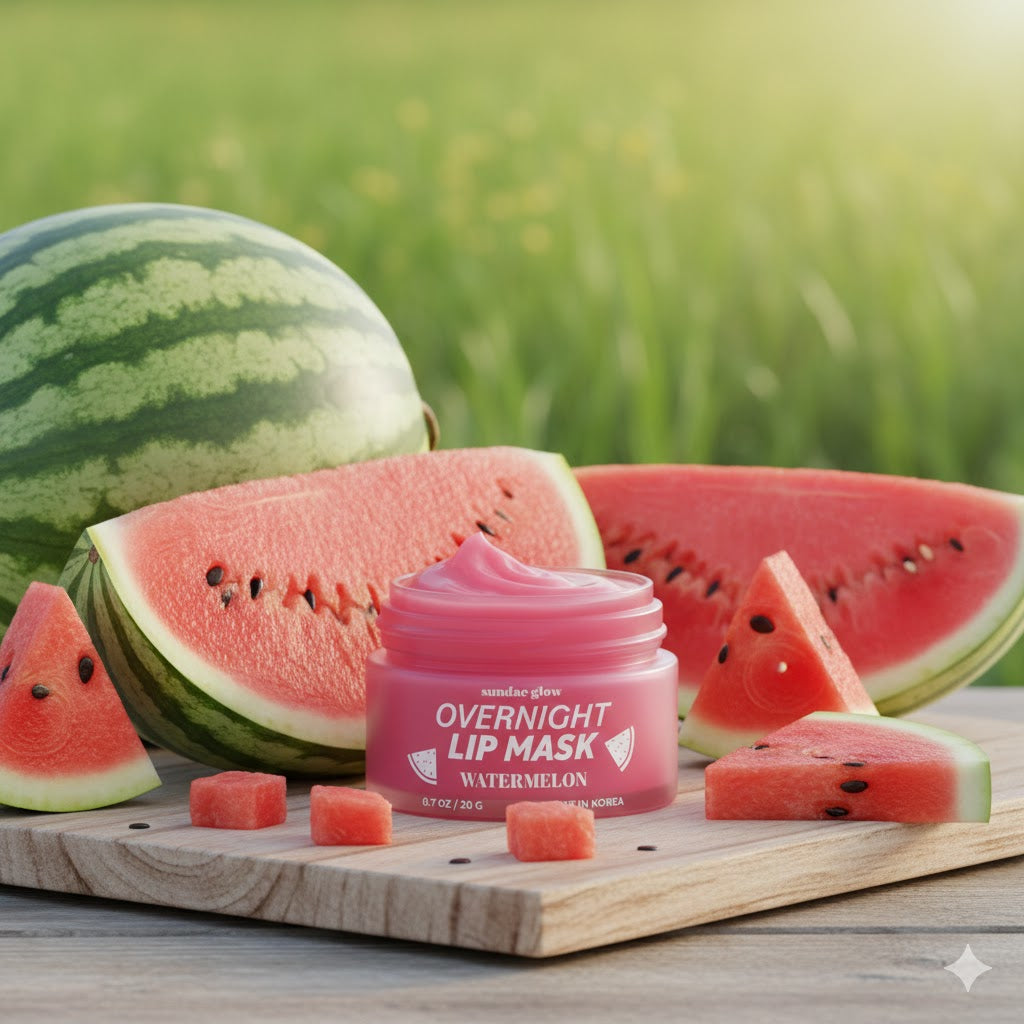
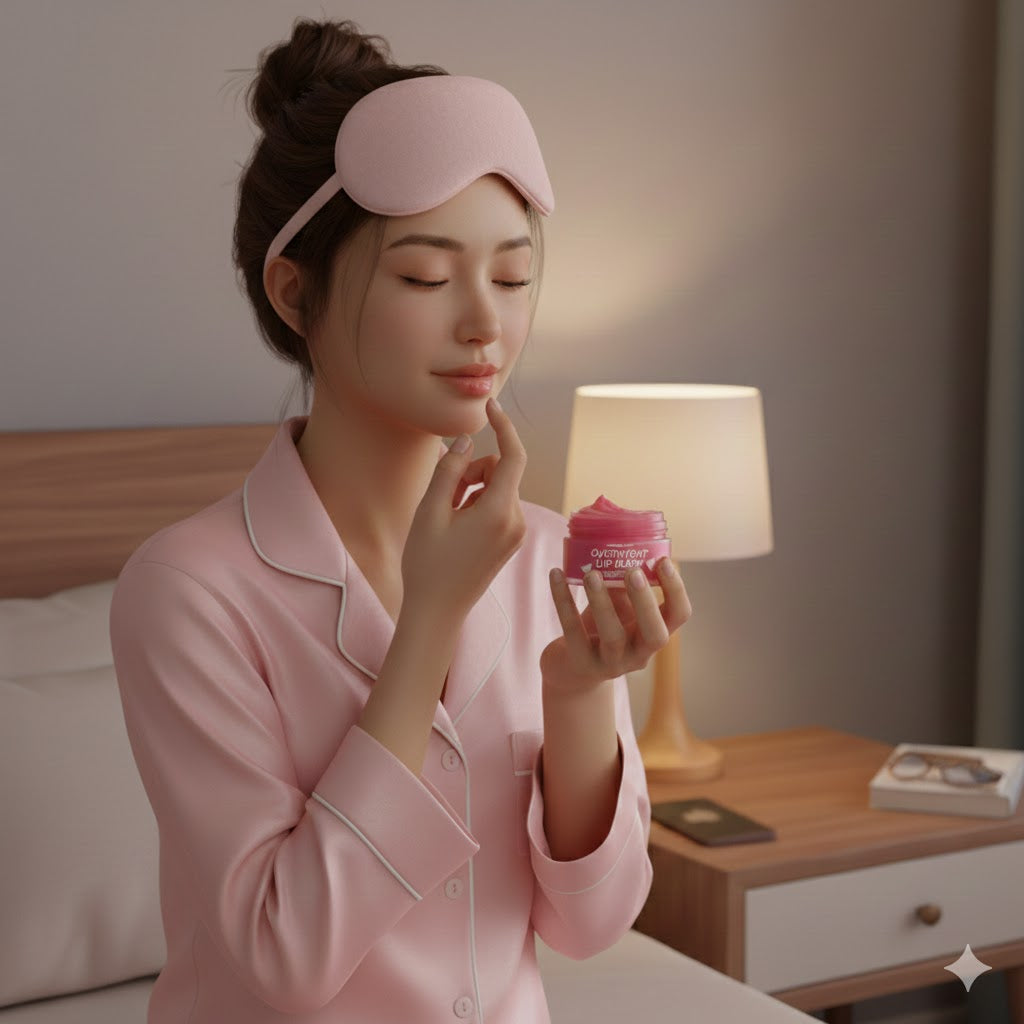
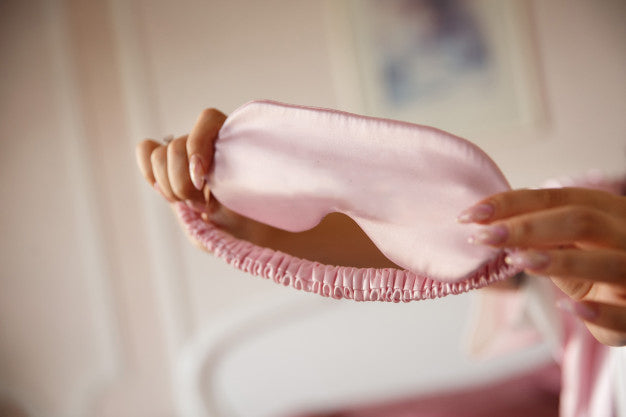
| Sleep Masks | Overnight Repair | Ceramides, Peptides, Retinol |
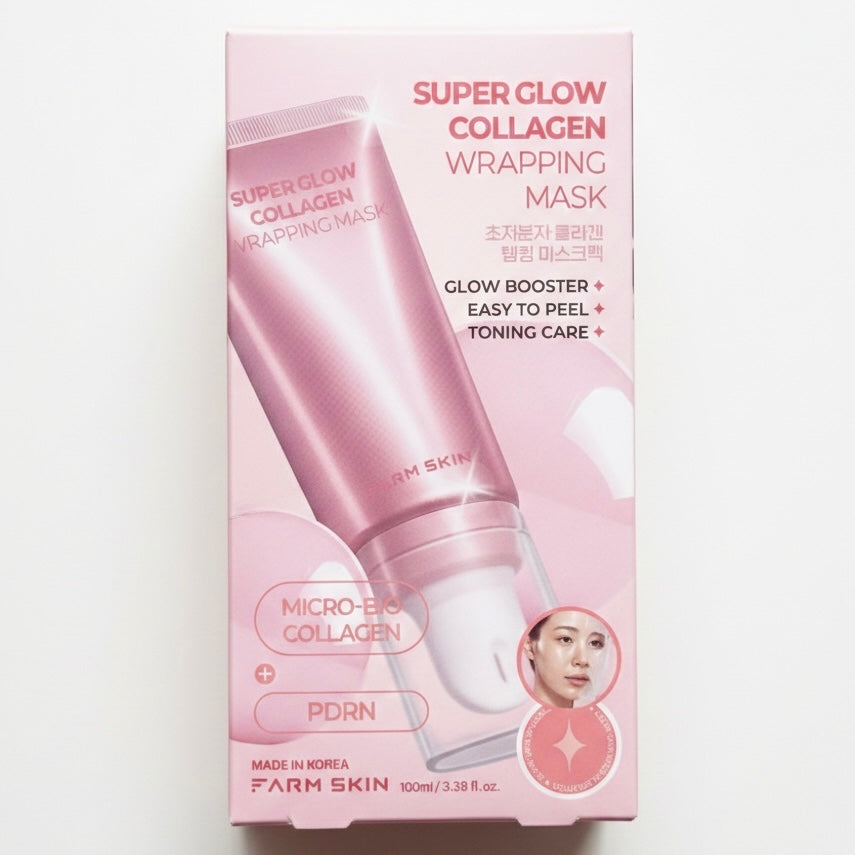
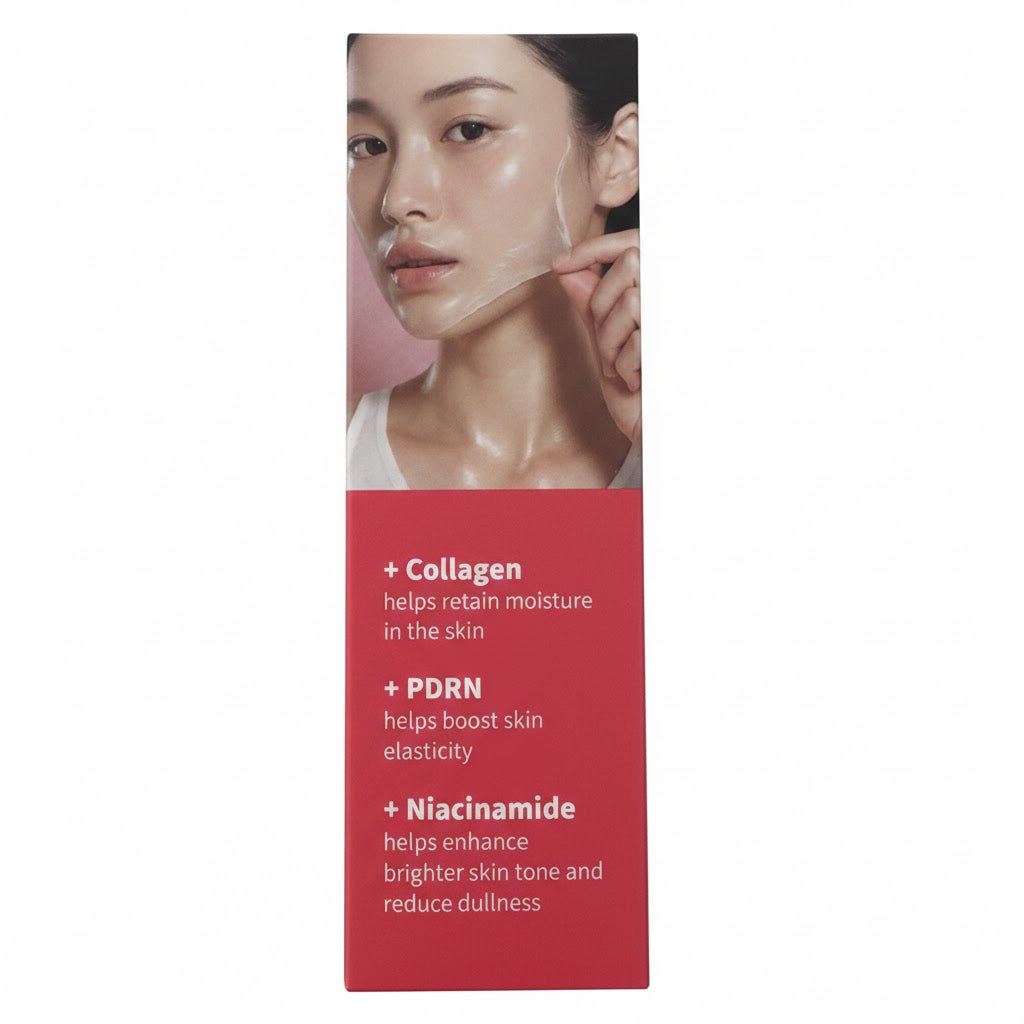
| Exfoliating (Peel) Masks | Dullness & Rough Texture | AHAs (Glycolic Acid), BHAs |
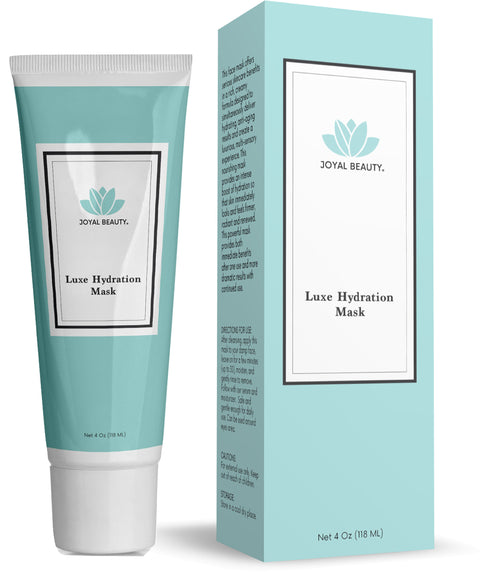
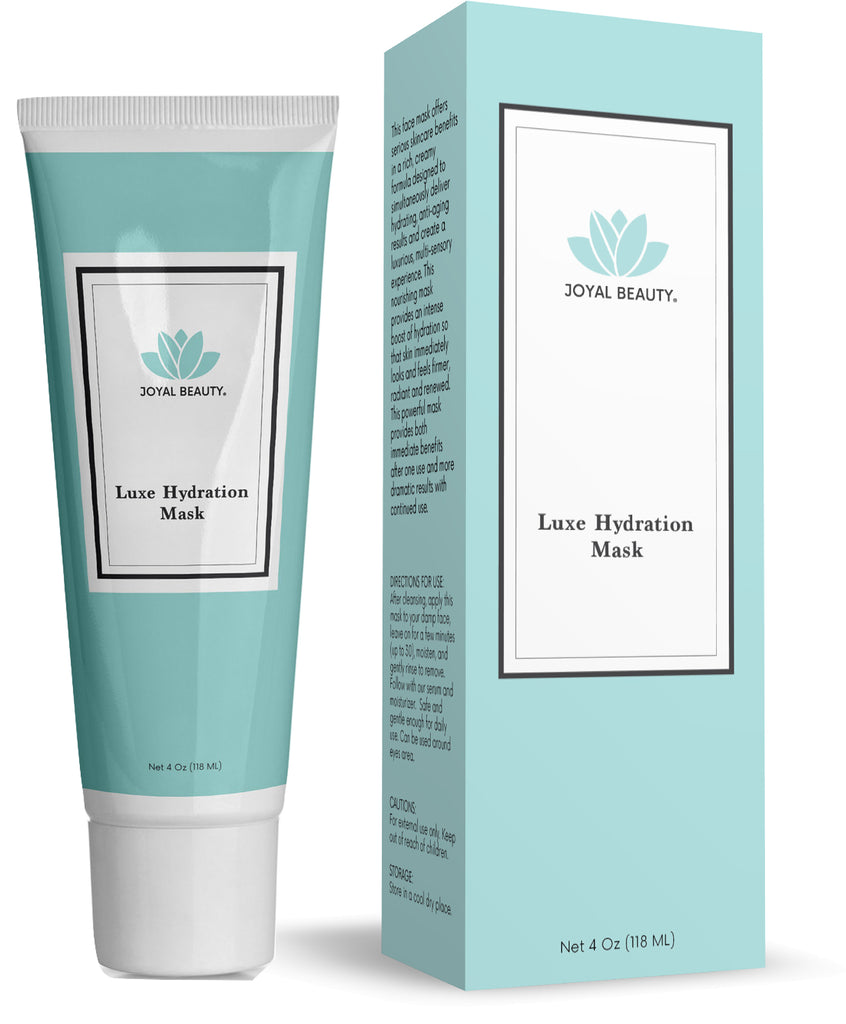
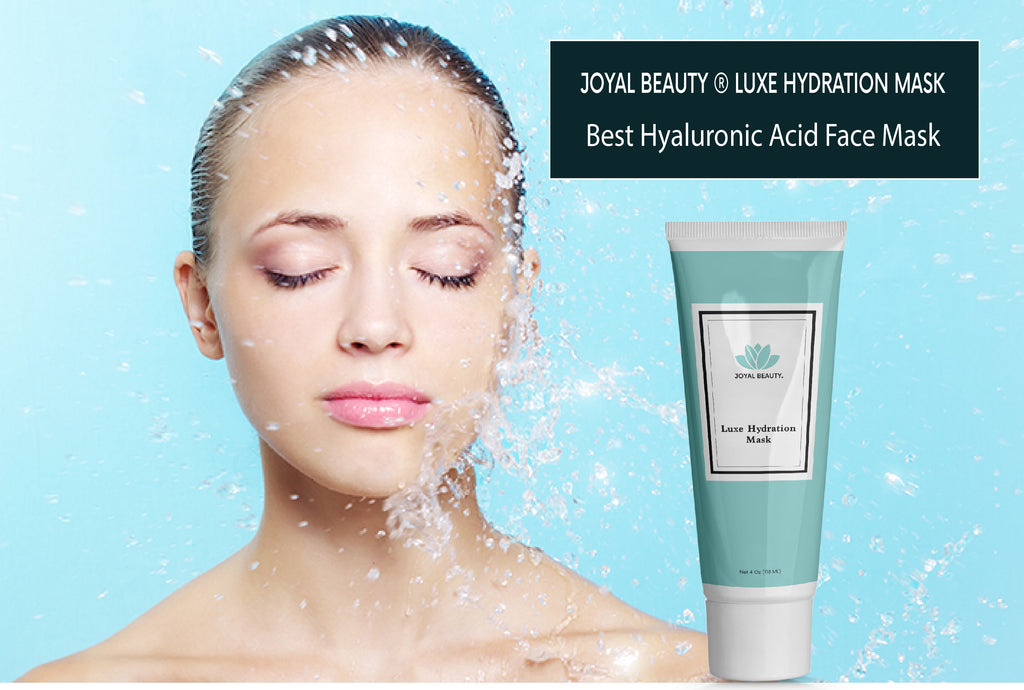
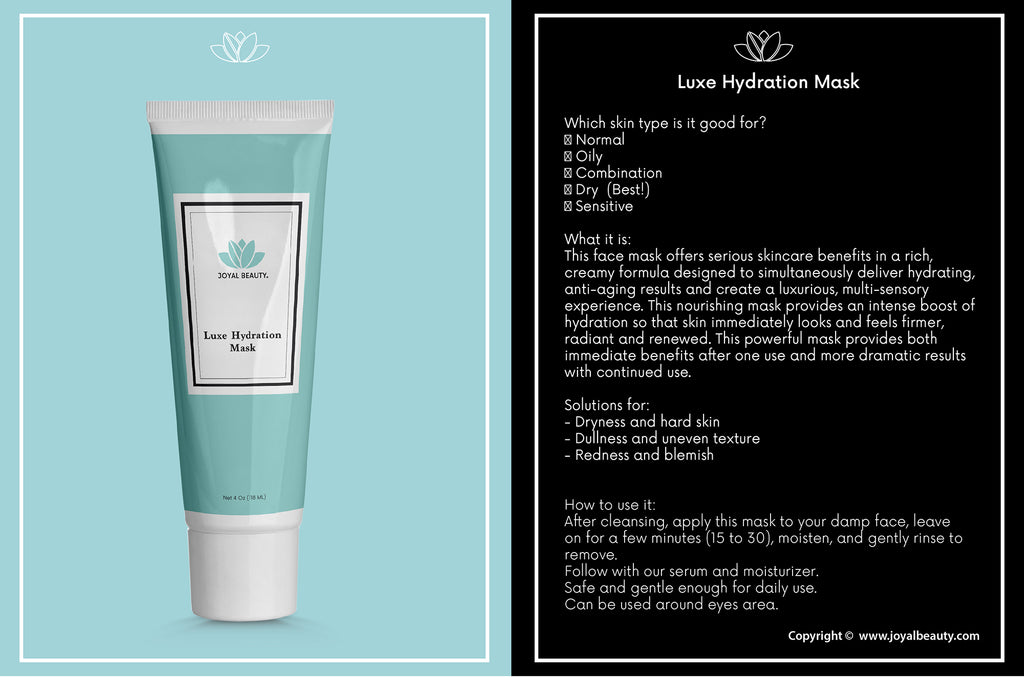
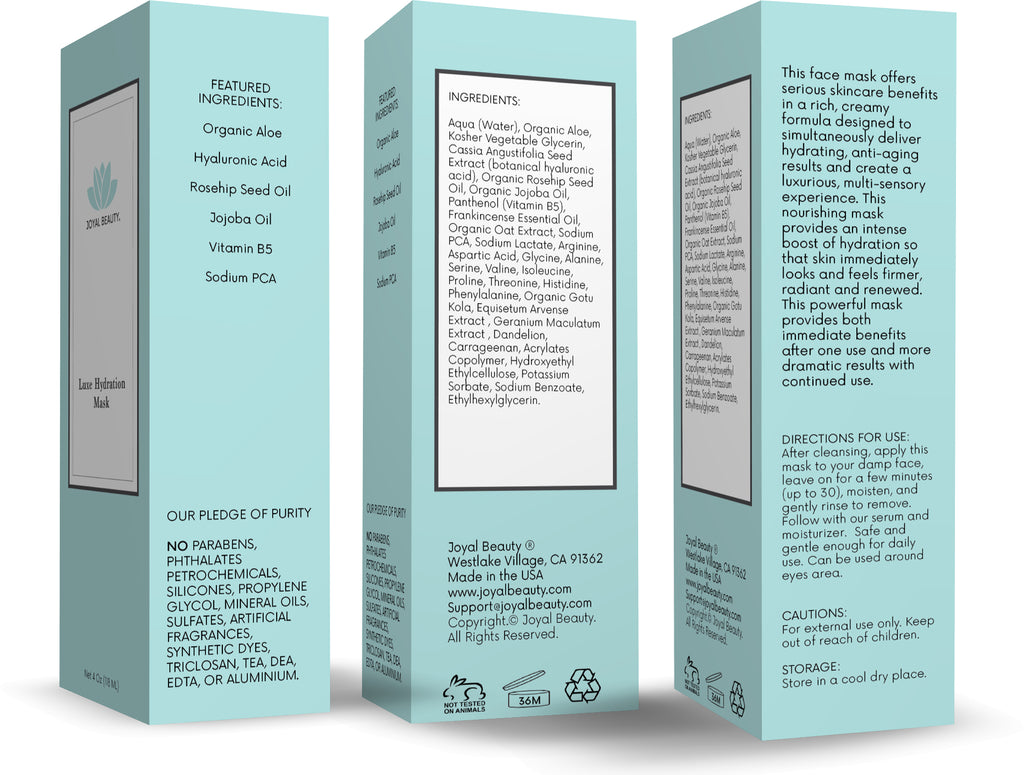
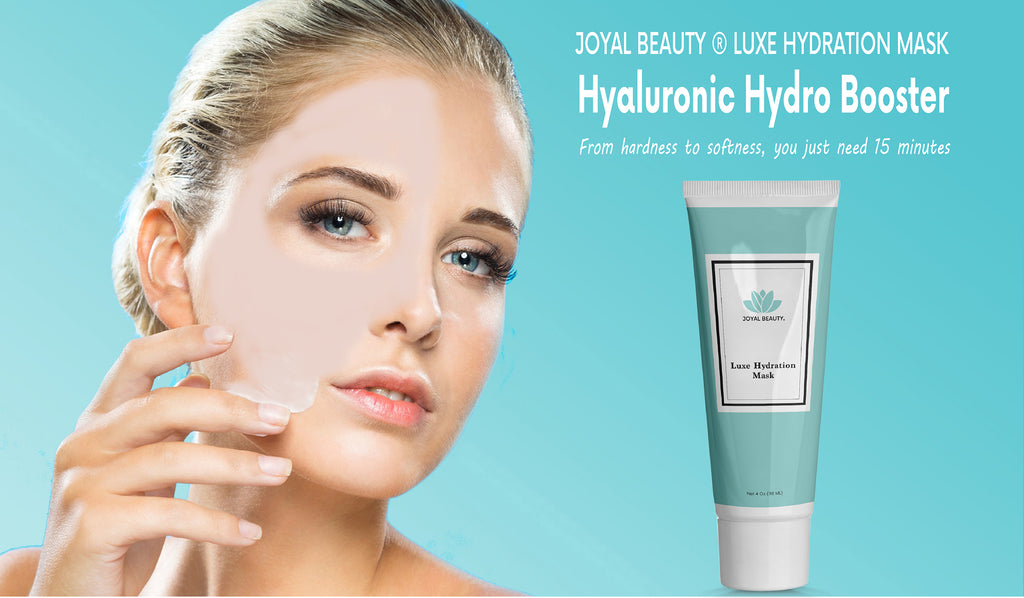
| Cream/Gel Masks | Sensitive or Dry Skin | Aloe Vera, Calendula, Rosehip Oil |
3. How to Use Face Masks Effectively
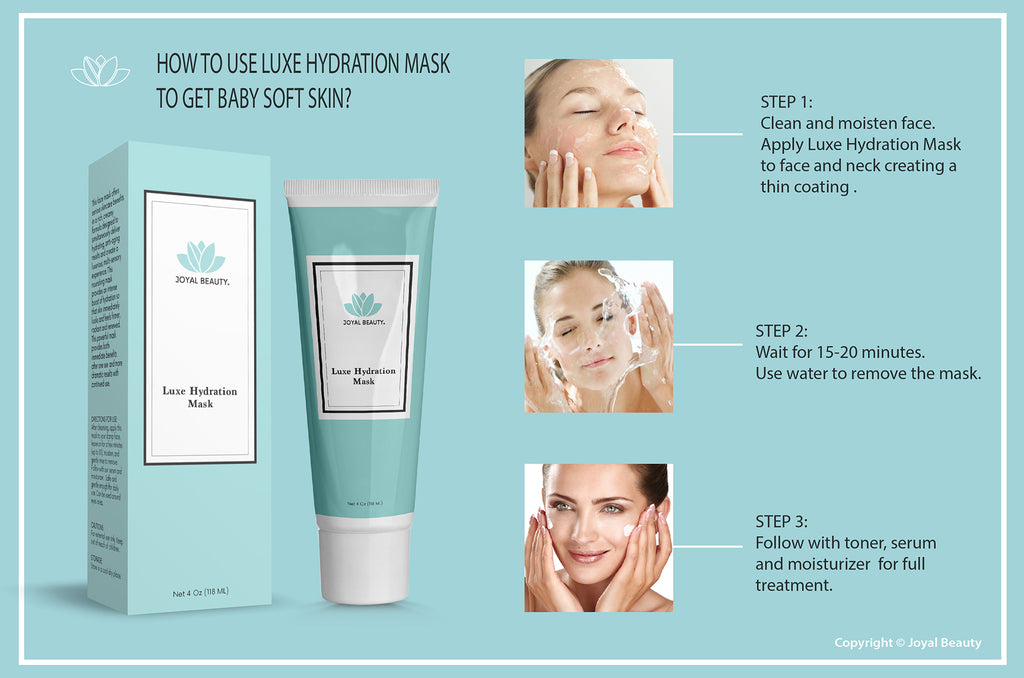
Step 1: The Cleanse
Always start with a clean canvas. Remove all makeup and debris so the mask can make direct contact with your skin.
Step 2: The Prep (Optional but Recommended)
Use a gentle toner or a warm towel to open up your pores. This increases the skin's permeability, making the mask more effective.
Step 3: Application
-
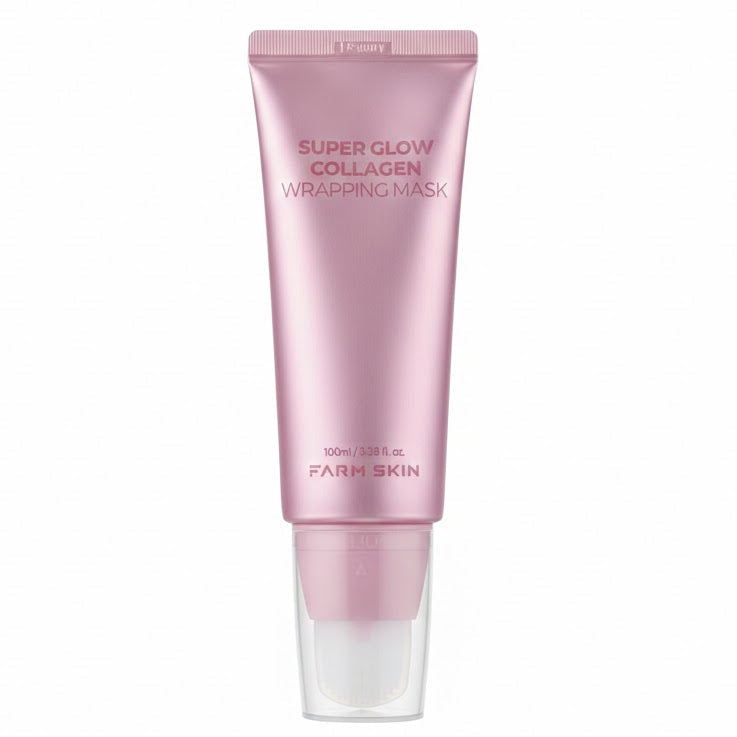
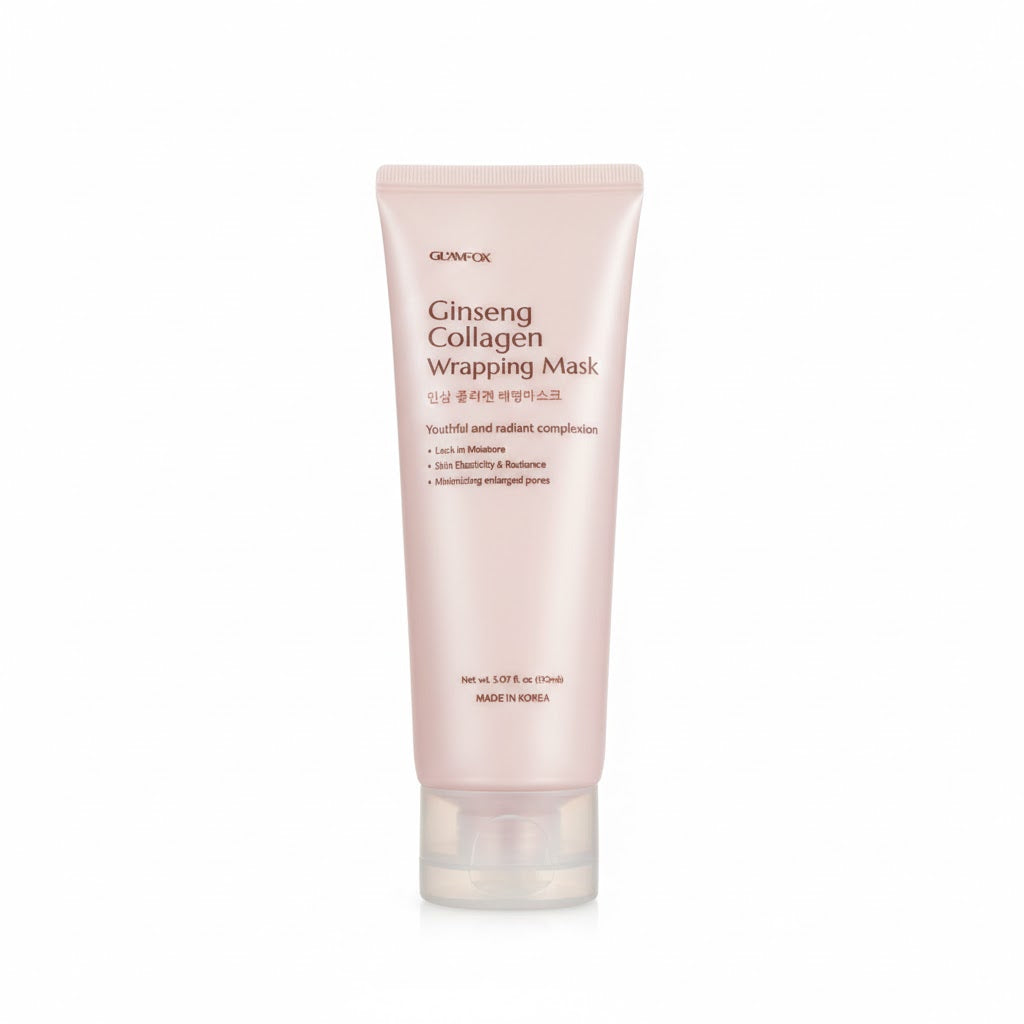
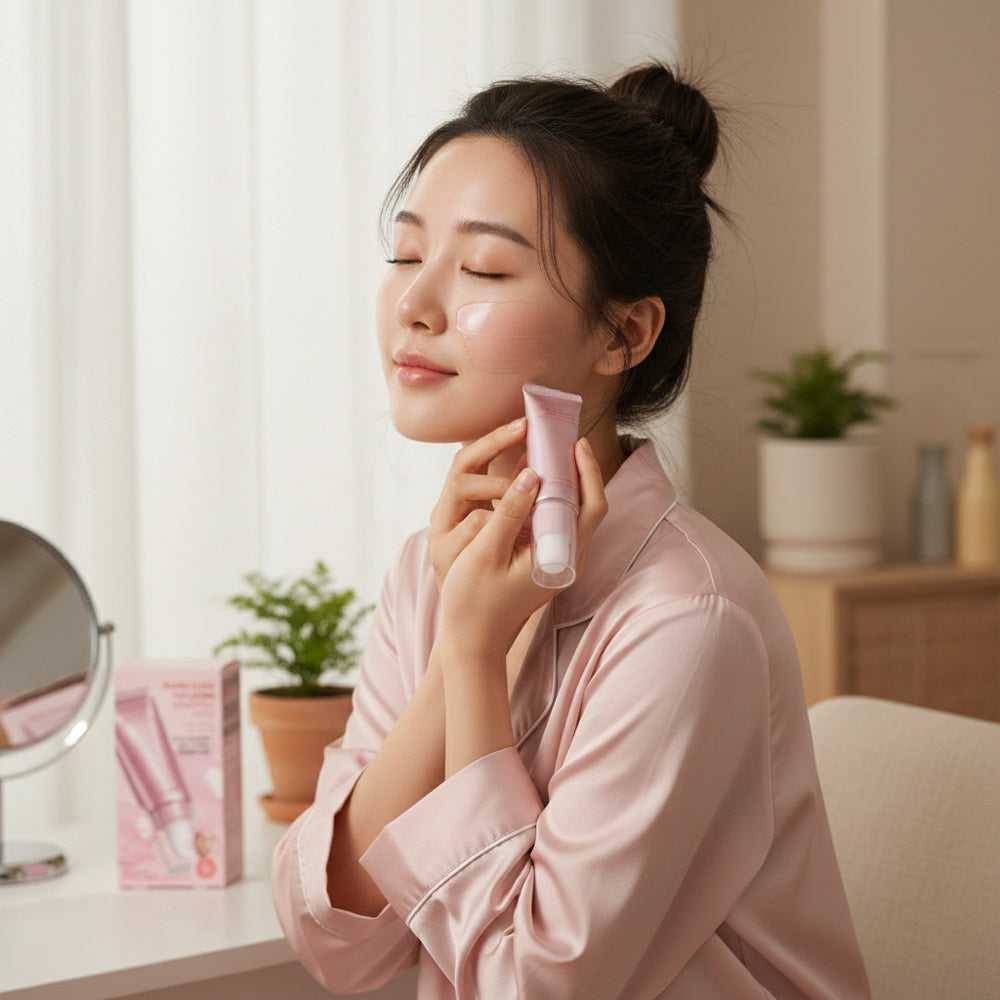
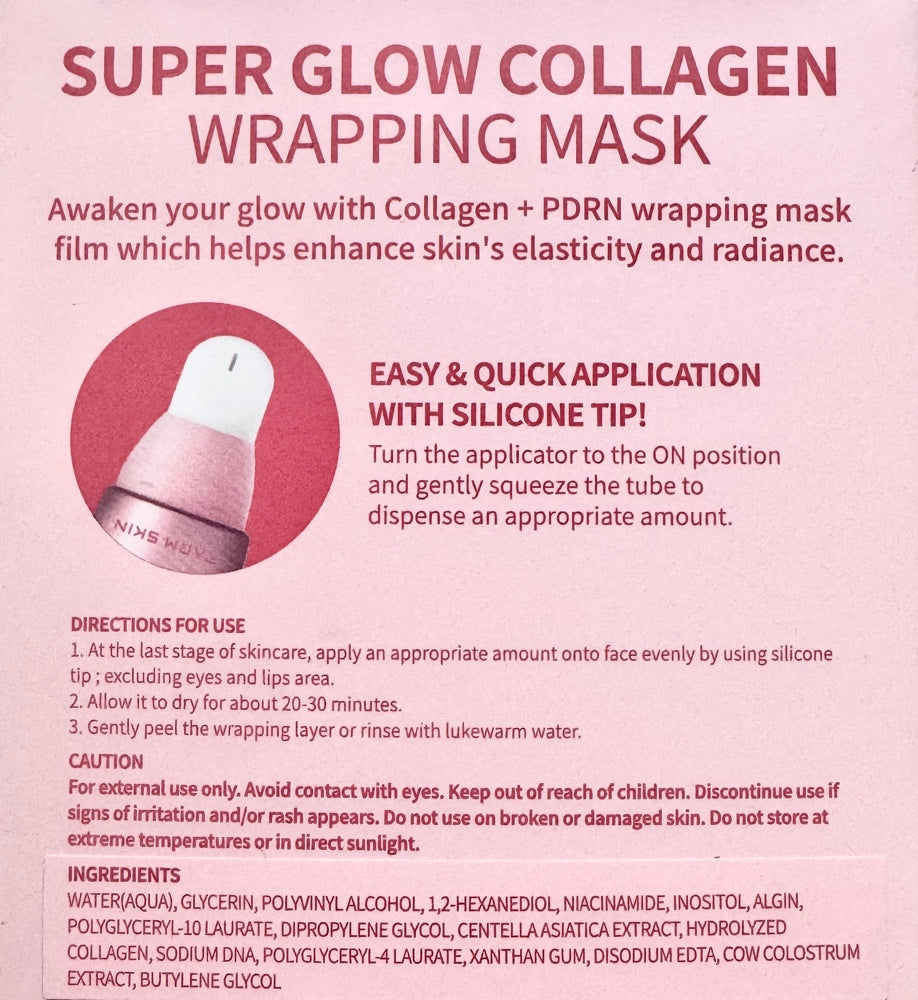
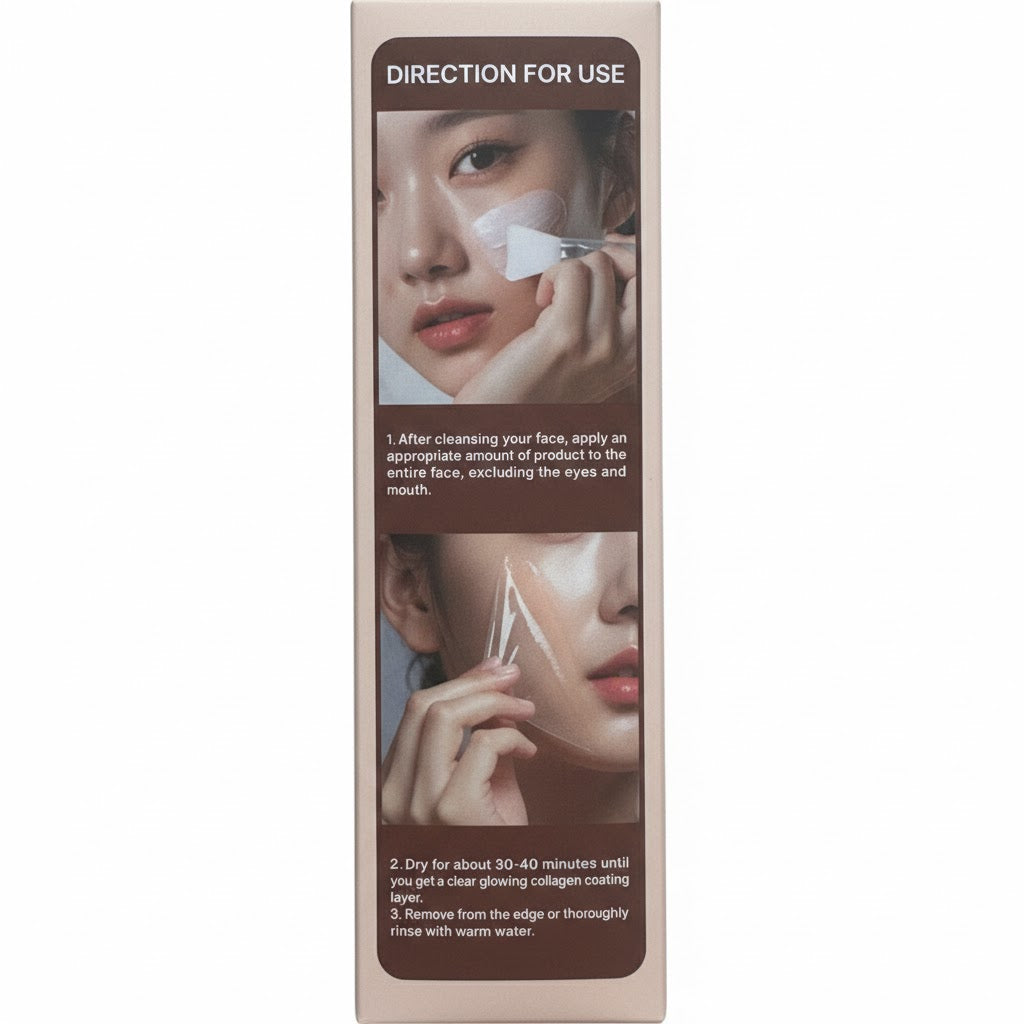
For Wash-off Masks: Apply an even layer using a brush or clean fingers. Avoid the sensitive eye and lip areas.
-
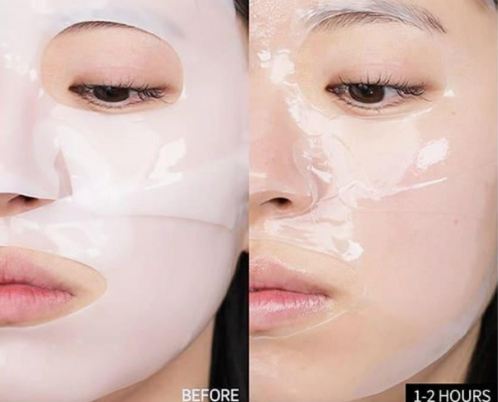
For Sheet Masks: Align the holes with your eyes and mouth, ensuring the sheet is flat against the skin with no air bubbles.
Step 4: The Timing
-
Follow the Instructions: Most masks should stay on for 10–20 minutes.
-
The Golden Rule for Clay: Do not wait for a clay mask to crack and crumble. Once it feels tacky but not yet bone-dry, wash it off. If it cracks, it's actually drawing moisture out of your skin.
Step 5: The Removal & Seal
-
Rinse with lukewarm water (never hot).
-
For Sheet Masks: Do not wash your face after! Tap the remaining essence into your skin.
-
Crucial: Always follow up with a moisturizer to "lock in" the nutrients the mask just provided.
Pro-Tip: "Multi-Masking"
If you have a T-zone that is oily but cheeks that are dry, don't use just one mask. Apply a clay mask to your forehead and nose, and a hydrating cream mask to your cheeks and neck. This addresses the unique needs of every part of your face simultaneously.